
Amanda Piquet, MD, FAAN, discussed phase 2 data from a trial evaluating the CAR-T therapy mivocabtagene autoleucel for the treatment of stiff person syndrome.
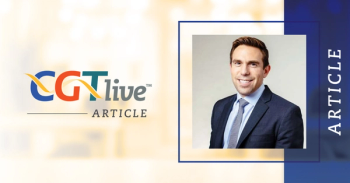
The CEO of Benitec Biopharma discussed data he presented at MDA's 2026 conference.
"We've seen benign safety and clinically meaningful improvements in swallowing function. The 1 and 2 year data at the low dose give us strong evidence that the drug is improving swallowing in a durable and safe way, and the high dose data, while early, further supports our enthusiasm for the disease-modifying effect of the drug to improve the swallowing for patients with OPMD.”
Benitec Biopharma is currently evaluating BB-301, an investigational adeno-associated virus (AAV) vector-based silence and replace gene therapy, for the treatment of oculopharyngeal muscular dystrophy (OPMD)-related dysphagia in a phase 1b/2a clinical trial (NCT06185673). Notably, new interim data from this trial were recently presented at
At the meeting, CGTLive® sat down with Jerel A. Banks, MD, PhD, the chief executive officer and chairman of the board of Benitec Biopharma, to learn more about the results and their implications. Banks explained that in this first-in-human study, investigators are evaluating treatment effects using both patient-reported outcomes and objective imaging-based measures. Patients complete the Sydney Swallow Questionnaire, a validated tool used to assess dysphagia-related symptoms, and undergo X-ray–based swallowing studies to evaluate physiological parameters such as throat closure and clearance of food or liquid after swallowing.
According to Banks, the first 7 treated patients have shown encouraging results. Six patients received a lower dose of the therapy and demonstrated a favorable safety profile. Notably, the first patient treated in the study has now reached the 2-year follow-up mark, with data suggesting durable and even deepening improvements in swallowing function over time. Furthermore, the first patient treated at the higher dose demonstrated particularly strong responses in objective swallowing metrics.
Banks emphasized that given the progressive nature of OPMD-related swallowing impairment, functional improvements could carry meaningful clinical impact by reducing aspiration risk. He also discussed future plans for advancing the program.