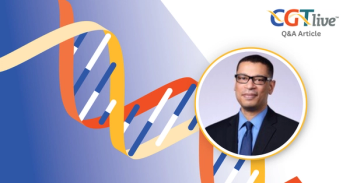
Amanda Piquet, MD, FAAN, discussed phase 2 data from a trial evaluating the CAR-T therapy mivocabtagene autoleucel for the treatment of stiff person syndrome.
Sharon Hesterlee, PhD, the president and CEO of the Muscular Dystrophy Association, discussed the upcoming conference and the evolving therapeutic landscape in neuromuscular disease.
This interview was originally published on our sister site,
The
The conference annually shines light on key scientific advances, challenges in care delivery, and emerging therapeutic platforms that contribute to the future path of medicine in neuromuscular disease. Typically setting the meeting's tone for its program, the keynote address is an essential element of each year's conference, and provides insight as to what the future of the field might look like.
With record numbers of new therapeutics available and on the horizon, rapid advances occurring in genomic medicine, and burgeoning questions about access, reimbursement, and clinical implementation, next year's conference will come at a moment of appreciable growth for the field of neuromuscular disease. John Crowley, a widely known biotechnology leader who has a personal and professional legacy rooted in the field of neuromuscular disease, will serve as this year's keynote speaker.
In the lead up to the
Sharon Hesterlee, PhD: We are really excited to announce our keynote speaker this year, and it is John Crowley, who is the head of the Biotechnology Innovation Organization. That group is the largest advocacy organization for biotechnology. John also has a very interesting background. His connection to the field goes back to the birth of his son and daughter, who were both diagnosed with Pompe disease, which is a neuromuscular disease covered by the MDA. At the time he was in business, but he was not willing to accept the lack of available treatment options. He became self-trained in biotechnology and worked first with his own company, then with Genzyme and other organizations.
At the end of the day, he helped drive development of a therapy for his children. His story became the subject of a book and later a movie with Harrison Ford and others. He has a deep understanding of the research world and a strong connection to the neuromuscular space. I think it will be fascinating to hear what he has to say, and he will offer a future looking perspective that fits perfectly with the meeting.
I think we will recognize some of the headwinds the community is facing. There have been changes in academic funding at the government level, and there are challenges for companies trying to secure funding for new drug development. There are also questions about Medicaid coverage, and many of our patients depend on Medicaid. We want to acknowledge those realities, while also highlighting positive developments. We have seen so many new drug approvals, and now clinicians and patients have multiple treatment options for several neuromuscular conditions.
This creates new questions about how we navigate the future. What does it mean when a patient has several therapies to choose from. How do we prepare clinicians and families for that. These ideas will be part of my introduction and will carry through the conference program.
Every year we think about what new, what people is want to know, and where information gaps exist. This year, a lot of emphasis is on the rapid increase in approved therapies. That raises questions about drug selection in clinical trials. People want to understand what standard of care looks like when the standard is changing so quickly. That will be a major focus of the conference. We also expect a lot of discussion about reimbursement and how we get therapies covered once they are approved.
Another theme is how we manage our success as a field. With so many new therapies, we now face new complexities. We are paying attention to platform technologies, including non-viral gene delivery, and the evolving landscape of gene therapy. We just saw a new SMA approval that extends eligibility to older patients, which brings completely new considerations compared with treating infants. As the field evolves, we try to fill the resulting gaps in clinical and scientific knowledge.
With so many new developments, the conference is the best place to learn what is available now and what is coming next. You will be surrounded by colleagues who have experience with different therapies, situations, and patient populations, and you can learn directly from them. We have also expanded the program for allied medical professionals, including physical therapists and genetic counselors, who provide essential perspectives on the treatment process.
Many of the companies developing these therapies will also be present and available for direct questions. It really is a meeting place for the entire neuromuscular community. It is the most efficient way to stay up to date on cutting edge technologies, both current and future.
Transcript was edited for clarity.