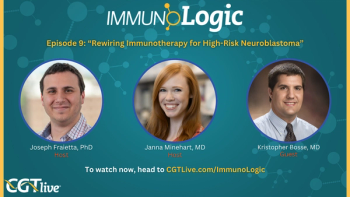
In episode 9 of ImmunoLogic, Kristopher Bosse, MD, and the cohosts discussed how immunotherapy is reshaping treatment for high-risk neuroblastoma.
The director of the Sickle Cell Disease Program at Nemours Children’s Hospital discussed what clinics need in order to start administering gene therapy effectively.
“It's a very new therapy and the press has been very positive, and so families often don't understand how difficult the process is going to be. As such, we need to explore all the options that the patients have. Some of them have already failed disease modifying therapies and are really looking for something else, but some haven't tried disease modifying therapies yet, and we might direct them that way first.”
Vertex Pharmaceuticals' and CRISPR Therapeutics’ gene editing therapy
At the the
She also explained that determining candidacy requires multidisciplinary input and shared decision making. Families must understand that while gene therapy is promising, it is a long process and carries risks. Some patients may be better suited for other therapies or traditional stem cell transplant, especially if a matched donor is available. Miller emphasized the importance of clearly explaining risks, benefits, and practical factors like recovery time and long-term follow-up.
For more coverage of ASH 2025,