A single systemic dose of an immune-shielded lentiviral vector delivering the MMUT gene produced lasting metabolic correction in a mouse model of methylmalonic acidemia, according to newly published preclinical data.
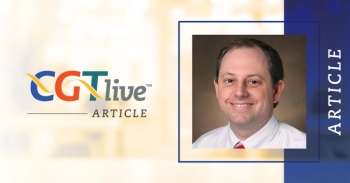
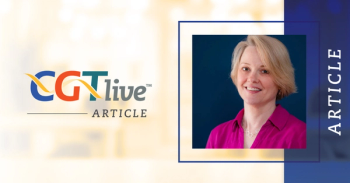
Robin E. Miller, MD, director of the Sickle Cell Disease Program at Nemours Children’s Hospital, discussed what clinics need in order to start administering gene therapy effectively.
Sickle cell disease (SCD) gene therapy products, namely Vertex Pharmaceuticals' and CRISPR Therapeutics’ gene editing therapy
CGTLive® recently spoke to Robin E. Miller, MD, the director of the Sickle Cell Disease Program at Nemours Children’s Hospital, at the
Robin E. Miller, MD: It's very important for a program that's going to embark on gene therapy to have a full complement of subspecialists, including sickle cell specialists, transplanters, but also all the other subspecialists to support patients when they have complications; a robust blood bank; a stem cell lab; and really experience with bone marrow transplant, preferably bone marrow transplant in SCD, because there are a lot of nuances in doing these types of therapies for sickle cell. Psychosocial support is also really critical: having knowledgeable psychologists who are used to talking with families affected by SCD and strong social work support are really important.
It really is a multidisciplinary discussion between all of the different specialties and providers that know the family and then shared decision making with the family. It's a very new therapy and the press has been very positive, and so families often don't understand how difficult the process is going to be. As such, we need to explore all the options that the patients have. Some of them have already failed disease modifying therapies and are really looking for something else, but some haven't tried disease modifying therapies yet, and we might direct them that way first. Some patients might have a very suitable donor match for transplant, and in that case, we really need to help them to be able to choose between the options for transformative therapy, if there's more than 1 good option.
I think we have to be very careful to explain the risks and the differences in the risks between different therapies because families are very different in terms of what risks are scariest to them, and what chances they're actually comfortable taking, and what chances they're less comfortable taking. Then there's even things like timeframe and geography and what kind of support they're going to have as they recover that enter into the decision.
That's going to be really critical because, again, one of the things we really have to make sure that families understand is that although gene therapy looks very promising, we don't even know for sure if it's going to be curative in the long-term, and we don't know what all the late effects are going to be. So it's critical for anyone who goes through gene therapy to have careful, long-term follow up in a clinic that involves both the transplant team and the hematologist, and that we collect that data in a way that we'll be able to look at it as a whole and understand the outcomes and the complications better in the long-term.
We are bringing our transplant and cellular therapies team in to talk with the families much sooner than we have in the past, not because we are trying to push them towards one therapy or another, but it's becoming more and more important for them to understand early on what the options are, so that they can start asking questions early.
Just that there's a lot of things that we don't know. The only experience has been with sickle cell SS and sickle beta zero thalassemia. We don't know whether this is going to be a useful or important therapy for patients with other genotypes like SC disease. Some of the patients who probably need it the most or want it the most are the patients with stroke and cerebrovascular disease who are on long-term transfusions, and we just don't have data yet to tell us whether it's going to be effective in those situations or whether it's going to be safe for those patients. So we just need a lot more research to be done as we embark on this.
This transcript has been edited for clarity.
For more coverage of ASH 2025,