On the same day in late 2023, the FDA approved Vertex Pharmaceuticals' and CRISPR Therapeutics’ gene editing therapy exagamglogene autotemcel (exa-cel; marketed as Casgevy) and bluebird bio’s gene addition therapy lovotibeglogene autotemcel (lovo-cel; marketed as Lyfgenia) for the treatment of sickle cell disease (SCD). In the time since then, use of these novel gene therapy products has begun to be rolled out into clinical practice at various institutions across the United States. Because of the complexity of these therapies, clinical care centers need to ensure that they are prepared with the proper equipment and infrastructure, that they were appropriate interdisciplinary teams ready to handle the lengthy treatment process, and that they are aligned with all relevant regulations and guidelines.
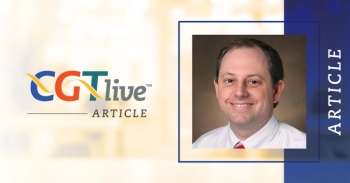
At the 67th American Society of Hematology (ASH) Annual Meeting and Exposition, held December 6 to 9, 2025, in Orlando, Florida, CGTLive® spoke with Crawford Strunk, MD, an associate staff member at the Cleveland Clinic, which recently began offering treatment with exa-cel and lovo-cel to patients with SCD in the commercial setting. Strunk, who is also the codirector of the Sickle Cell Medical Neighborhood, noted that the Cleveland Clinic had some prior experience with administering SCD gene therapy in the context of clinical trials, but that it also just treated its first patient in the commercial setting recently. Strunk went over the necessary things an instiution needs in order to be able to administer SCD gene therapy successfully, touched on how to speak to patients and their families about whether they might be good candidates for gene therapy, and discussed how the integration of gene therapy has changed how specialists from different disciplines collaborate.
For more coverage of ASH 2025, click here.