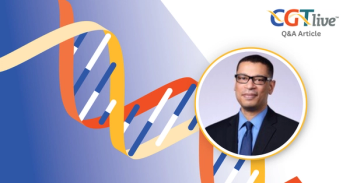
Amanda Piquet, MD, FAAN, discussed phase 2 data from a trial evaluating the CAR-T therapy mivocabtagene autoleucel for the treatment of stiff person syndrome.
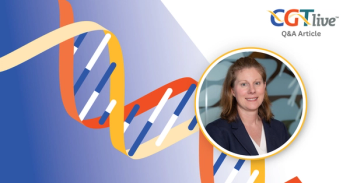
Colleen Caleshu, MS, CGC, the senior director of research and real world data at Genome Medical, discussed a session she chaired at the NSGC Annual Conference.
In recent years, artificial intelligence (AI) tools have penetrated the healthcare field. This trend has not excluded the field of genetic counseling, where a number of practitioners have already integrated such tools into daily use, and others are interested in doing the same.
A session entitled “Healthcare Administrative AI Tools in Practice: Implementation Insights from Early Adopters" was held at the
Colleen Caleshu, MS, CGC: We had an educational breakout session on AI tools in genetic counseling practice. We had a series of 6 or 7 early adopters, folks who have started to integrate these things into their genetic counseling practice, speak about what exactly they're using (what solutions they're using) and what their experience with them has been.
The adoption of AI tools in health systems has really taken off nationwide in the past year. Many places that employ genetic counselors have tools that are available in their system, one of the most common ones being ambient recording and transcription of clinical appointments to write clinical notes for documentation, but there's many others. These tools almost always are not made specifically for genetic counseling practice so sharing experiences about how well these solutions have worked for genetic counseling, what you needed to do to implement it and to make it fit, is really helpful. We certainly got a good reception from the audience on that. Certainly I've talked to a lot of people here who are not yet using something that's formally, specifically a healthcare AI solution. They may be using chatGPT or Claude or Copilot in other ways, but are very eager to learn more and find out how it could help in their practice.
I would say that these AI solutions for healthcare are here, and they are readily available, and both in our speakers' experience and in the existing research to date, there are clear benefits to some of them that can really help providers: things that increase efficiency, improve burnout (which is actually something I study), and decrease documentation burden (which is a big challenge for all different providers, including genetic counselors).
At the same time, clinicians, including counselors, really need to get AI literate to be able to assess the appropriateness of these tools, the quality, what biases they have, whether or not they're equitable—so sort of striking a good balance of having an open mind and being curious about how you can improve your practice using them, while also being thoughtful and thinking critically about them.
This transcript has been edited for clarity.