
The BASECAMP-1 study is currently enrolling participants to explore the feasibility of manufacturing a novel CAR T-cell therapy with a target antigen activator and a HLA LOH-based blocker.
The BASECAMP-1 study is currently enrolling participants to explore the feasibility of manufacturing a novel CAR T-cell therapy with a target antigen activator and a HLA LOH-based blocker.

Higher-dose lymphodepleting regimens led to higher toxicity but high response rates.
Cohort A of the CARTITUDE-2 study is evaluating cilta-cel safety and efficacy in patients with multiple myeloma who received 1 to 3 prior lines of therapy.
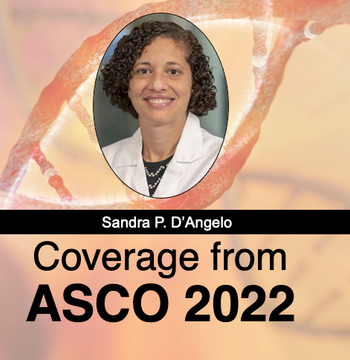
“Therapy was found to be safe and tolerable. This initial data formed the basis for further exploration that is currently ongoing in the IGNYTE-ESO study,” investigator Sandra P. D’Angelo, MD, tells CGTL.
The associate professor of medicine at Medical College of Wisconsin discussed advantages of the ARC-SparX platform.

High response rates were seen in patients that would not meet ZUMA-2 eligibility criteria.
No differences were found in overall survival and progression free survival across races.
Review top news and interview highlights from the week ending June 3, 2022.

A recent meta-analysis reviewed data across 146 patients in 9 clinical trials.

Relma-cel was previously approved in China in September 2021 for the treatment of B-cell non-Hodgkin lymphoma.
Beti-cel was rated a B+ for lingering questions about durability and unknown risks.
A phase 1 trial evaluated the combination in patients regardless of PD-L1 status and no differences were seen between those negative or positive.
The cofounder, president, and chief executive officer of Forge Biologics discussed the company’s approach to gene therapy manufacturing.
Catch up on the latest news, breakthroughs, and announcements from biotechnology companies making advancements in cell and gene therapies.
BioMarin now expects to file in September 2022 instead of June.
The renowned professor from University of California Los Angeles reflected on receiving the Outstanding Achievement Award from the ASGCT.

Treated patients had significant improvements in fatigue and lymphoma symptoms.
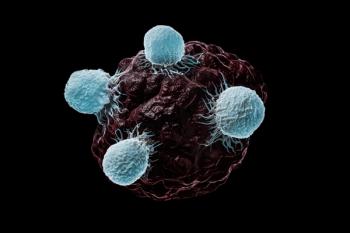
A lower objective response rate in cohort 4 reflected a higher disease burden with a greater number of tumors.
The approval was based on data from the phase 2 ELARA clinical trial, in which a complete response of more than 65% was observed.
Stefan Braam, PhD, chief executive officer of Ncardia and Cellistic discussed the companies’ work in the cell therapy space.
RP-L301 also improved hemolysis and eliminated the need for red blood cell transfusions for up to 1year after therapy.
The director of the Center for Multiple Myeloma and Mass Gen discussed unmet needs with CAR T-cell therapy in multiple myeloma.
Review top news and interview highlights from the week ending May 27, 2022.

The chief executive officer of Ring Therapeutics, Tuyen Ong, MD, discussed the potential of anellovirus vectors for use in gene therapy.
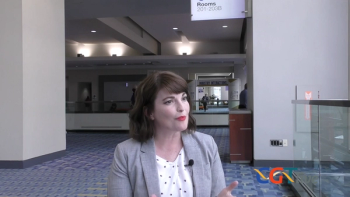
The vice president of neuroscience at Sangamo Therapeutics discussed identifying novel capsids with improved neuronal transduction to the CNS.
Catch up on the latest news, breakthroughs, and announcements from biotechnology companies making advancements in cell and gene therapies.
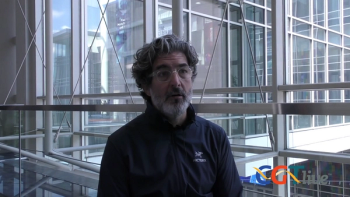
The chief scientific officer of Sangamo Therapeutics discussed the first-in-human STEADFAST trial.
All study participants met criteria to remain off enzyme replacement therapy through 104 weeks after treatment.
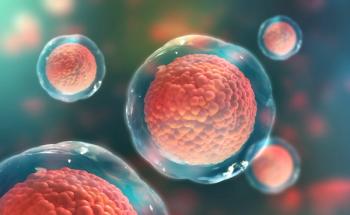
NeoCart was originally developed by the company Histogenics.
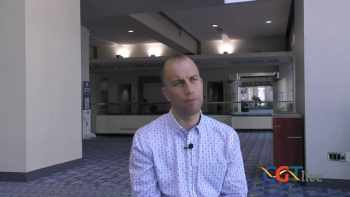
The director of the Liver Tumor Program at Texas Children’s Hospital discussed a phase 1 study of CAR NK T-cells in neuroblastoma.