
The assistant professor at Moffit Cancer Center discussed the subgroup analysis she presented at ASCO’s 2024 Annual Meeting.
The assistant professor at Moffit Cancer Center discussed the subgroup analysis she presented at ASCO’s 2024 Annual Meeting.
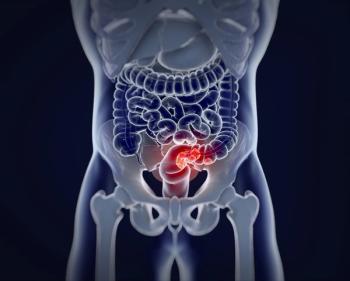
GCC19CART targets both guanylate cyclase 2C and CD19.
The Chief Medical Officer of Addimmune discussed the unmet need with HIV and research the company is conducting.
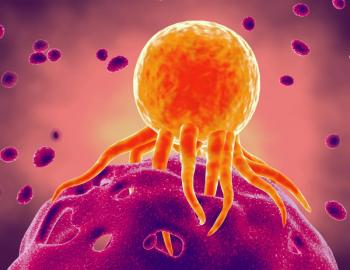
Of 300 screened participants, 68 have been matched by target antigen and HLA expression to a TCR-T in the ImmunoBank.

Patients with large B-cell lymphoma in the TRANSFORM trial showed improvements over 3-year period compared with standard of care.

The associate professor of medicine at University of Colorado discussed updated follow-up data from the phase 3 TRANSFORM trial presented at the 2024 ASCO meeting.
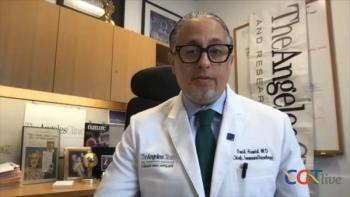
The professor from Cedars Sinai also discussed additional investigations evaluating lifileucel for other advanced subtypes of melanoma.
PFS jumped from under 3 months to over 14 when participants received CB-010 from a donor with at least 4 matched HLA alleles.
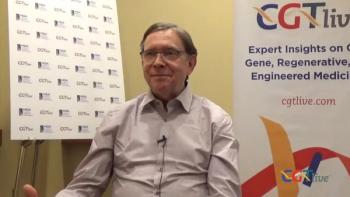
The McCaw Endowed Chair of Muscular Dystrophy at University of Washington shared his outlook on the trajectory of research in the field.
The CAR T-cell therapy AIC100 demonstrated promising responses and a low level of toxicity in patients with advanced thyroid cancer.
Carl June, MD, and Michel Sadelain, MD, PhD, were recognized for their pioneering achievements in treating cancer.
Imaging scans also showed disease stabilization, with no new sites of metastatic disease observed.
ACGT Scientific Advisory Council members are pursuing novel research into CAR T-cell therapy for glioblastoma.
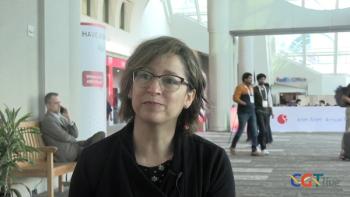
The assistant professor at Mayo Clinic School of Medicine shared her outlook and predictions on research with T-cell lymphomas.
Review top news and interview highlights from the week ending May 31, 2024.

Ultragenyx is aiming to submit a marketing application for DTX401 next year.

Current handling guidelines do not align between the laboratory and clinical settings.
The chief product officer at Mission Bio discussed the company’s Genome Editing Solution.

The CAR T-cell therapy was also recently approved for treating follicular lymphoma, chronic lymphocytic leukemia, and small lymphocytic lymphoma.

No serious adverse events or significant retinal atrophy occurred.
The CEO of Mission Bio discussed the company’s Tapestri platform for single cell sequencing.
Catch up on the latest news, breakthroughs, and announcements from biotechnology companies making advancements in cell and gene therapies.

An ASGCT poster focused on special ethical considerations of gene therapy human research and how to address them.
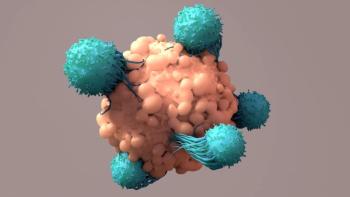
The company also announced that it will be reporting new data at the European Hematology Association 2024 Hybrid Congress.
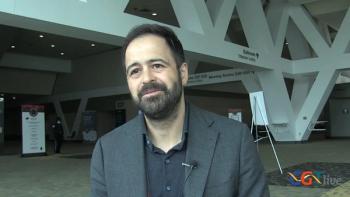
The head of research at Mass General Brigham’s Cell and Gene Therapy Institute discussed research from the center presented at ASGCT 2024.
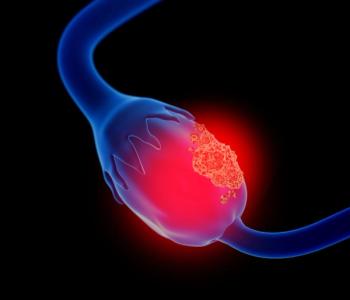
The company announced that the fifth patient was treated in its phase 1 clinical trial.
In honor of Healthy Vision Month, CGTLive® took a closer look at the clinical trial design for this novel treatment.

The CAR-T product is currently being evaluated in the phase 2b portion of a clinical trial (NCT04146051) for MG.
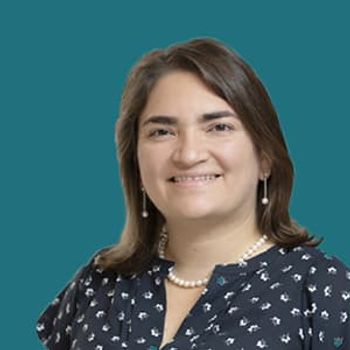
Transient responses in 2 of 3 participants may be due to limited persistence of CARv3-TEAM-E T-cells in the weeks after infusion.

The associate professor of otolaryngology from Harvard Medical School also shared his excitement for the positive data on AAV1-hOTOF.