


Neurology
Latest News
Advertisement
Latest Videos













Advertisement
More News
The investigator of neurology at Mass General Research Institute discussed research from her grad student, Lisa Nieland, presented at the ASGCT 2024 meeting.
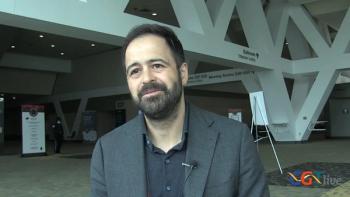
The head of research at Mass General Brigham’s Cell and Gene Therapy Institute discussed research from the center presented at ASGCT 2024.
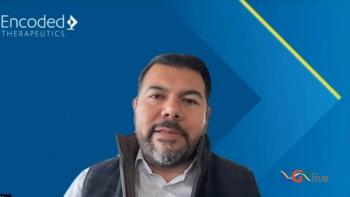
The chief medical officer of Encoded Therapeutics discussed the company’s strategy with gene therapy development for Dravet syndrome.
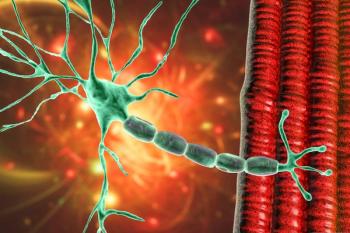
The CAR-T product is currently being evaluated in the phase 2b portion of a clinical trial (NCT04146051) for MG.

The associate professor of otolaryngology from Harvard Medical School also shared his excitement for the positive data on AAV1-hOTOF.
Review top news and interview highlights from the week ending May 24, 2024.
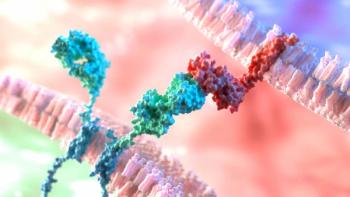
The data comes from the phase 1/2 RESET-Myositis clinical trial (NCT06154252) and the phase 1/2 RESET-SLE clinical trial (NCT06121297).
The chief medical officer of Forge Biologics discussed how expanded newborn screening practices may help the company’s gene therapy for Krabbe disease, FBX-101, reach more patients.

Catch up on the latest news, breakthroughs, and announcements from biotechnology companies making advancements in cell and gene therapies.
The clinical professor of neurology and pediatrics at Keck School of Medicine of USC discussed her talk on preparing for gene therapy administration.
The associate chief science officer of the Kennedy Krieger Institute discussed an aspect of clinical trial design highly relevant to gene therapy development for rare diseases.

Most participants had improved or stable cognitive function in a proof-of-concept study.
The chief medical officer of Forge Biologics discussed updated data from the REKLAIM clinical trial evaluating FBX-101.

Oncological trials of biologics also face particularly higher rates of clinical holds.
Review top news and interview highlights from the week ending May 17, 2024.
Omer A. Abdul Hamid, MD, pediatric neurologist at Nemours Children’s Health offered advice and discussed important practical considerations with administering gene therapies.
Catch up on the latest news, breakthroughs, and announcements from biotechnology companies making advancements in cell and gene therapies.
The cofounder, chairman, and CEO of Kriya Therapeutics discussed the company’s goal of bringing gene therapy to a much broader population of patients.
The trial is set to dose its second cohort following a positive DSMB recommendation in March.
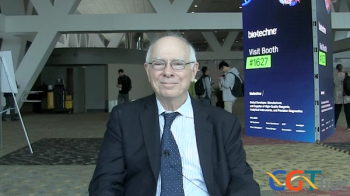
The Howard Hughes Investigator at the University of Iowa discussed his mouse model research into the pathophysiology of muscular dystrophy and how it relates to gene therapy approaches.

Catch up on any of the key data updates you may have missed last month, with coverage highlights from the CGTLive™ team.

Updated data including a sixth patient and longer follow-up was presented at ASGCT’s 2024 Meeting.
Review top news and interview highlights from the week ending May 10, 2024.

The gene therapy is up for priority review with a PDUFA date of June 21, 2024.
Catch up on the latest news, breakthroughs, and announcements from biotechnology companies making advancements in cell and gene therapies.
Advertisement
Advertisement