




Neurology
Latest News
Advertisement
Latest Videos



















Advertisement
More News

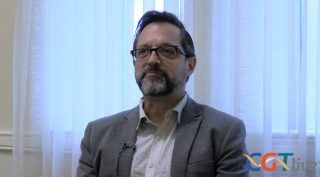
The chief medical advisor of Muscular Dystrophy Association (MDA) gave his view on treatment decision-making in the world of new options for DMD.

The gene therapy is currently being evaluated in the phase 1/2 CANaspire clinical trial.

Catch up on the latest news, breakthroughs, and announcements from biotechnology companies making advancements in cell and gene therapies.

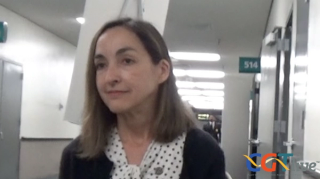
The pediatric neurologist in the Division of Neurology at Children’s Hospital of Philadelphia discussed how Sarepta’s Elevidys has affected the landscape of care for DMD.

Biogen plans to submit for regulatory approval for a higher dose based on the positive topline data from the phase 2/3 DEVOTE study (NCT04089566).

In honor of World Duchenne Awareness Day, held September 7, several experts have provided their insights on the real-world experience of gene therapy’s use in Duchenne muscular dystrophy.

Review top news and interview highlights from the week ending September 6, 2024.

The data come from the pivotal part B cohort of the phase 2/3 DEVOTE clinical trial.

Notably, the therapy previously received rare pediatric disease designation from the FDA in July 2024.
Catch up on the latest news, breakthroughs, and announcements from biotechnology companies making advancements in cell and gene therapies.
Catch up on any of the key FDA news stories you may have missed last month, with coverage highlights from the CGTLive® team.
The director of neurology and neuromuscular medicine at the Children’s Hospital of the King’s Daughters in Norfolk, Virginia, spoke about the enhancements to newborn screening for the disease.

The therapy is being developed for the treatment of patients with progressive MS who have imaging evidence of ongoing inflammatory tissue injury and who are HLA-DRB1*15:01 positive.
Review top news and interview highlights from the week ending August 30, 2024.
Catch up on the latest news, breakthroughs, and announcements from biotechnology companies making advancements in cell and gene therapies.

Mark Walters, MD, a professor in residence for pediatrics at the Sickle Cell Center of Excellence at the University of California discussed gene therapy’s ongoing transformation of the treatment landscape.

Ignacio Mata, PhD, an associate professor of neurology at the Cleveland Clinic Lerner Institute, discussed the challenges that will need to be overcome to apply gene therapy to a complex neurological disorder like PD.
Review top news and interview highlights from the week ending August 23, 2024.

Travis Drow, BS, a research scientist at Seattle Children's Research Institute, discussed mouse model research he presented at ASGCT’s 2024 Meeting.
Following up on World Lung Cancer Day, observed annually on the first of August, CGTLive® has decided to take a closer look at this novel cell therapy.

Alexandra Collin de l’Hortet, PhD, the head of therapeutics at Epic Bio, discussed EPI-321, an investigational treatment for facioscapulohumeral muscular dystrophy.
Review top news and interview highlights from the week ending August 16, 2024.
Catch up on the latest news, breakthroughs, and announcements from biotechnology companies making advancements in cell and gene therapies.

A patient with MG is also the first evaluated to reach 1 year of follow-up and has a continued durable immunomodulator-free response.

The president and chief executive officer of Passage Bio discussed feedback from a recent Type C meeting with the FDA.
Advertisement
Advertisement