

SRP-5051 is an investigational peptide-conjugated phosphorodiamidate morpholino oligomer.
SRP-5051 is an investigational peptide-conjugated phosphorodiamidate morpholino oligomer.

The multinational, open-label EMERGENE study will seek to enroll 15 patients with LGMD2E/R4 in total.
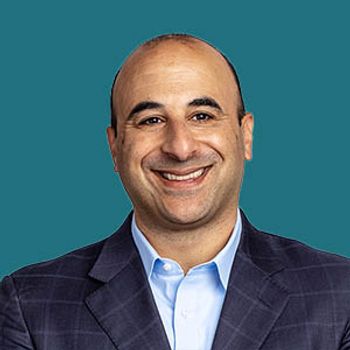
Cory R. Nicholas, PhD, the cofounder and CEO of Neurona Therapeutics, discussed NRTX-1001, the company’s allogeneic regenerative neural cell therapy currently being evaluated in MTLE.

The trial will recruit patients aged 6 to 31 months with the intent of treating them while auditory system plasticity is optimal.

Robert M Califf, MD, MACC, the commissioner of food and drugs at the FDA, discussed how 2023 was an exemplary year for how far the field has come over the past few decades.
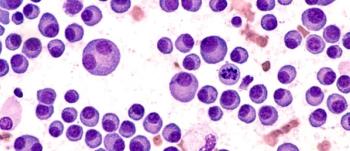
The European Medicines Agency Committee for Advanced Therapies will likewise hold a SAG-O meeting regarding the Type II variation application for the CAR-T in the EU.

Catch up on the latest news, breakthroughs, and announcements from biotechnology companies making advancements in cell and gene therapies.

Aruna Bio stated that it expects to begin a phase 1b/2a clinical trial within the first half of this year.

The agency does not have plans for an advisory committee meeting to discuss obe-cel, which is an investigational autologous CD19-directed CAR-T therapy.

Sharon Hesterlee, PhD, the chief research officer of MDA, discussed highlights of 2023’s meeting and exciting new things to look forward to at the upcoming 2024 meeting.

In light of this major decision by the agency, CGTLive™ decided to reach out to several experts to get their thoughts on how exa-cel could impact the landscape of care for TDT.

TAC01-CLDN18.2 integrates TAC, Triumvira’s proprietary chimeric receptor that is intended to activate and direct T-cells against tumor cells.

Tami John, MD, a clinical associate professor at Stanford Medicine, also discussed ongoing trends in sickle cell disease research.
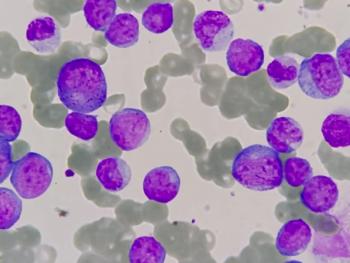
Hemogenyx originally submitted the IND to the FDA in May 2023 with the intention of gaining clearance for a phase 1 clinical trial in acute myeloid leukemia.
Catch up on the latest news, breakthroughs, and announcements from biotechnology companies making advancements in cell and gene therapies.

Among 3 patients in the study’s first cohort, a 3.6 to 6.6-fold increase in CSF PGRN over baseline was observed at 30 days posttreatment.
Tami John, MD, a clinical associate professor at Stanford Medicine, discussed a study on samples from patients who had received either HSCT or gene therapy for sickle cell disease.

The first pediatric patient was treated in the United States, but the company has now also received clearance to treat pediatric patients in the UK.

Among 11 patients with PD who were treated in the study, there no serious adverse events (AEs) attributed to AB-1005.
Catch up on the latest news, breakthroughs, and announcements from biotechnology companies making advancements in cell and gene therapies.

In terms of safety, Descartes-08 was characterized as well-tolerated during the study and long-term follow-up period.
Catch up on any of the key FDA news stories you may have missed last month, with coverage highlights from the CGTLive™ team.

Alexis Thompson, MD, MPH, the chief of hematology at Children’s Hospital of Philadelphia, discussed the need to determine whether the recently approved sickle cell disease gene therapies could benefit younger patients.
Exa-cel was recently approved for the treatment of SCD in the US, but data from the pivotal clinical trial continues to be collected.
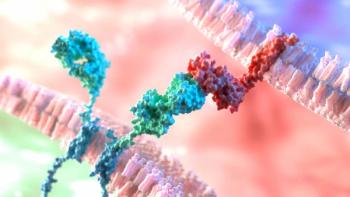
The clearance continues a recent trend of IND clearances for CAR-T therapies in autoimmune disease.
Alexis Thompson, MD, MPH, the chief of hematology at Children’s Hospital of Philadelphia, discussed an analysis of follow-up data for bluebird bio’s beti-cel she presented at ASH’s 2023 conference.
Senti Bio anticipates the launch of a multicenter clinical trial in hematological malignancies this year, with the first patient expected to receive the therapy within 2024’s second quarter.
Catch up on the latest news, breakthroughs, and announcements from biotechnology companies making advancements in cell and gene therapies.
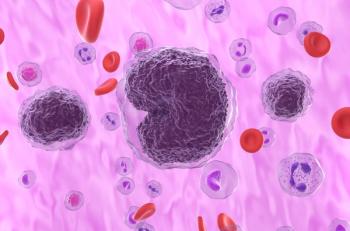
ONCT-808 targets ROR1 and is currently being evaluated for the treatment of r/r aggressive B-cell lymphoma.
Catch up on the latest news, breakthroughs, and announcements from biotechnology companies making advancements in cell and gene therapies.