
The company characterized the meeting as “productive”.
The company characterized the meeting as “productive”.

Catch up on the latest news, breakthroughs, and announcements from biotechnology companies making advancements in cell and gene therapies.
Throughout 2023, interest in the application of CAR-T and other cell therapies to B-cell-driven autoimmune disease skyrocketed, with a multitude of clinical trials being initiated by various companies.

Akshay Sharma, MBBS, a bone marrow transplant physician at St. Jude Children’s Research Hospital, also gave his thoughts on the recent FDA approval of Vertex and CRISPR’s exa-cel for sickle cell disease.
Akshay Sharma, MBBS, a bone marrow transplant physician at St. Jude Children’s Research Hospital discussed PRO data on Vertex and CRISPR’s gene-edited cell therapy for sickle cell disease.
Catch up on the latest news, breakthroughs, and announcements from biotechnology companies making advancements in cell and gene therapies.
No significant differences were observed between patients with and without HCBV in the reductions seen in ABR for all bleeds during the 7 to 36 months posttreatment timeframe.
There were no treatment-related serious adverse events reported.
The FDA’s decision was based on data from the CLIMB-121 and CLIMB-131 clinical trials, making it the first CRISPR-based gene therapy to be approved in the US.

Benetic anticipates an announcement of interim results sometime around the midpoint of 2024.
Catch up on the latest news, breakthroughs, and announcements from biotechnology companies making advancements in cell and gene therapies.
In observance of Crohn and Colitis Awareness Week, observed from December 1 to 7, CGTLive™ took a closer look at the clinical evaluation of the MSC-derived therapy, ExoFlo.
Catch up on the latest news, breakthroughs, and announcements from biotechnology companies making advancements in cell and gene therapies.
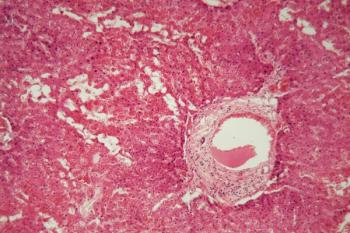
The CAR-T was already being assessed in the ongoing phase 1a/1b NEXICART-1 clinical trial in Israel ahead of this IND clearance by the FDA.
CHMP is expected to give an opinion on the MAA in the second half of next year.
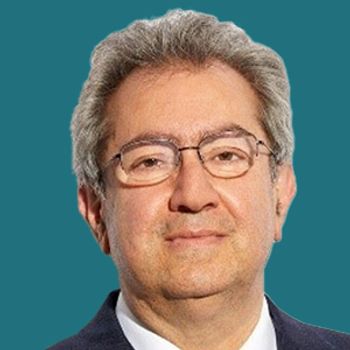
Roger Hajjar, MD, the director of the Mass General Brigham Gene and Cell Therapy Institute, spoke about his presentation on gene therapy for cardiologists at AHA’s 2023 Scientific Sessions.
Catch up on the latest news, breakthroughs, and announcements from biotechnology companies making advancements in cell and gene therapies.

Among 10 patients evaluated compared to their baseline at 1 week after receiving their final dose in the trial, 30% of patients demonstrated clinical improvement on the ADCOMS.
The date for the AdComm and the new PDUFA date are yet to be announced.
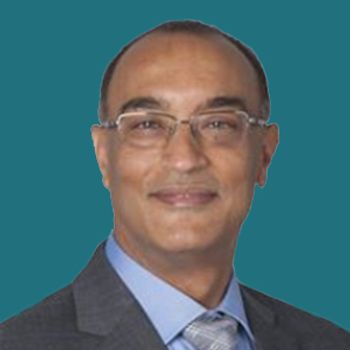
Milind Desai, MD, MBA, the director of the Hypertrophic Cardiomyopathy Center and the vice chair of the Heart Vascular Thoracic Institute at the Cleveland Clinic, discussed the design of Tenaya Therapeutics’ clinical trial evaluating TN-201.
The CAR-T previously was cleared for separate trials in systemic lupus erythematosus, myositis, and systemic sclerosis.
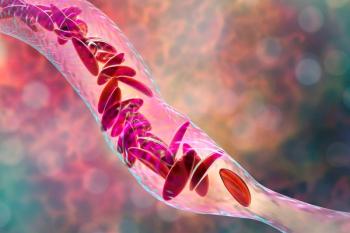
Vertex and CRISPR’s Exa-cel, which remains an investigational treatment in the United States, is the first CRISPR-based gene therapy to be approved in the UK, where it will be marketed as Casgevy.
Catch up on the latest news, breakthroughs, and announcements from biotechnology companies making advancements in cell and gene therapies.
Milind Desai, MD, MBA, an investigator on the MyPeak-1 trial and the director of the Hypertrophic Cardiomyopathy Center and the vice chair of the Heart Vascular Thoracic Institute at the Cleveland Clinic, discussed Tenaya Therapeutics’ TN-201.

AVB-101 was simultaneously granted fast track designation by the agency. The company plans initiate US activities in 2024.
Ben Creelan, MD, a medical oncologist at Moffitt Cancer Center, discussed several different approaches to cell therapy that could lead to new treatment options in the field.
Among 20 patients who received MDR-101, 12 have completed participation in the trial and have not taken their immunosuppression therapy for 2 years.
Catch up on the latest news, breakthroughs, and announcements from biotechnology companies making advancements in cell and gene therapies.
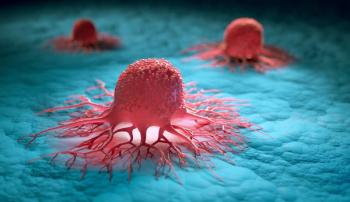
The BASECAMP-1 screening study has now identified 28 patients whose solid tumors are positive for HLA-A*02 LOH.
David Rawlings, MD, the director of the Center for Immunity and Immunotherapies at Seattle Children's Research Institute, discussed findings from several preclinical studies that could help push engineered B-cell therapies towards clinical trials.