
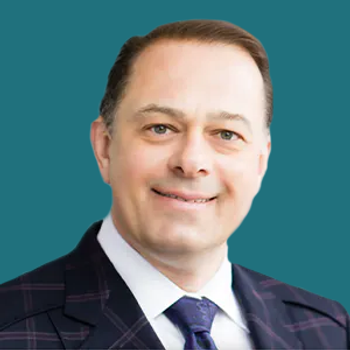
Bruce Cree, MD, PhD, MAS, a professor of neurology and the clinical research director of the University of California San Francisco (UCSF) Multiple Sclerosis Center discussed the hypothesis behind research on the use of CAR-T for multiple sclerosis.
Bruce Cree, MD, PhD, MAS, a professor of neurology and the clinical research director of the University of California San Francisco (UCSF) Multiple Sclerosis Center discussed the hypothesis behind research on the use of CAR-T for multiple sclerosis.
The professor of microbiology, immunology, and molecular genetics at UCLA discussed how a better understanding of treatment impact on a cellular level could help improve future gene therapy approaches.
The deputy director, Division of Rare Diseases Research Innovation, NCATS, NIH, discussed initiatives including the BGTC and the platform vector gene therapy project.
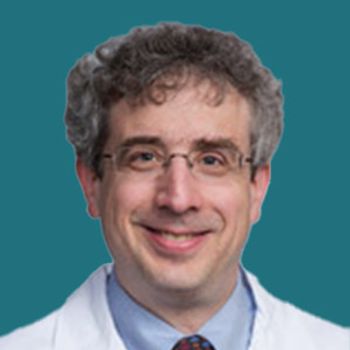
Peter A. Merkel, MD, MPH, the chief of the Division of Rheumatology and a professor of medicine and professor of epidemiology at Penn Medicine, discussed the significant challenges in this field, but also expressed optimism for the future.
The Lichtenstein professor of neurology at University of Miami Miller School of Medicine discussed talks from a session on dysfunction and trafficking at the 2024 MDA Conference.
The lead of preclinical research at Amylyx Pharmaceuticals discussed the literature supporting AMX0114’s target and its upcoming trial design.
The postdoctoral scholar at University of California – Irvine discussed his research looking at TDP-43 and alternative polyadenylation in neuronal cells.
The director of the Manton Center for Orphan Disease Research at Boston Children’s Hospital discussed investigations into liver toxicity and deaths after AT132 gene therapy.
The data comes from 7 patients treated in the phase 1/2 IGNITE-DMD study (NCT03368742).
The deputy director, Division of Rare Diseases Research Innovation, NCATS, NIH, discussed initiatives including the BGTC and the platform vector gene therapy project.
The real-world data, which includes patients who received Zolgensma before and after tracheostomy, comes from the noninterventional RESTORE registry (NCT04174157).
The Lichtenstein professor of neurology at University of Miami Miller School of Medicine discussed the role of organelle transport in neuromuscular diseases such as CMT.
The phase 3b SMART trial included 24 patients in total who each weighed from 8.5 kg to 21 kg at the time of treatment.
RGX-202 delivers a slightly larger form of microdystrophin than other gene therapies, including the CT domain of dystrophin.
The lead scientist at Percheron Therapeutics discussed how ATL1102 could target inflammation as a secondary cause of muscle damage in DMD.
The endowed chair in cellular and molecular medicine at Boston Children’s Hospital discussed past, present, and potential future applications of siRNA in the treatment of various diseases.
The Assistant Professor of Medicine at Weill Cornell Medical College shared the background rationale of her retrospective analysis presented at Tandem 2024.
The professor of medicine at Duke Cancer Institute discussed findings from an early access program of the therapy, recently approved as Omisirge.
Investigators concluded that the data support the use of HS as a predictive biomarker in Sanfilippo syndrome.
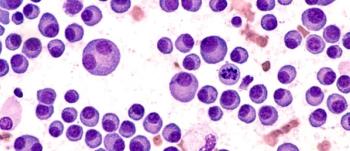
The long-term data comes from 2 cohorts in the phase 2 CARTITUDE-2 clinical trial.
The pediatric gastroenterologist and professor in residence at University of California at San Francisco discussed the dose response seen with RGX-121.
The expanded donor Treg clones maintained lineage fidelity and were persistent through 1 year post-HCT.
The hematology coordinator for pharmacy at Froedtert and the Medical College of Wisconsin discussed the advantages of each of the 2 modalities in the third and second line settings.
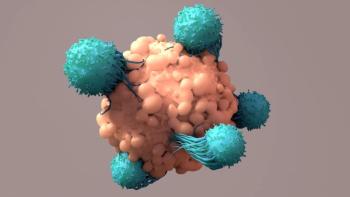
The data comes from an expanded access protocol (EAP; JCAR017-EAP-001) that included 96 patients in total who were treated with the nonconforming product.
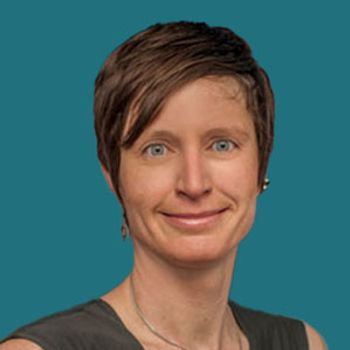
Juliane Gust, MD, PhD, an assistant professor of neurology at University of Washington, Seattle Children's, discussed a study that is currently underway via the NIH’s CARnation Consortium that will seek to address this gap in knowledge.
The associate professor of medicine at Medical College of Wisconsin discussed clinical results from patients with CLL and Richter’s transformation treated with CD19/CD20-targeted CAR-T LV20.19.
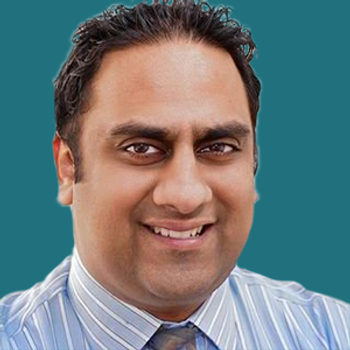
Going forward, the dose for patients with CLL has been reduced to 1x10⁶ cells/kg.
The pediatric oncology pharmacist at Mayo Clinic discussed the incorporation of the recently FDA-approved gene therapies for SCD and TDT into the work of pharmacists.
Beleaguered company AlloVir has shut down the program before moving on to phase 2.
The medical director of Pediatric Hematology/Oncology at Sarah Cannon Research Institute discussed the pros and cons of potentially curative treatment options for SCD.