

CHMP is expected to give an opinion on the MAA in the second half of next year.
CHMP is expected to give an opinion on the MAA in the second half of next year.

The associate professor of clinical ophthalmology at University of Miami discussed potential future areas of investigation for gene therapy in ocular diseases.

The phase 1 VAN-2201 clinical trial (NCT05657301) is assessing the AAV-delivered gene therapy from Chengdu Origen Biotechnology and Vanotech in 5 dose cohorts of 25 total patients.

Roger Hajjar, MD, the director of the Mass General Brigham Gene and Cell Therapy Institute, spoke about his presentation on gene therapy for cardiologists at AHA’s 2023 Scientific Sessions.
The research associate at the The Texas Heart Institute discussed preclinical research she presented at AHA’s 2023 Scientific Sessions on MSC-derived exosomes.

The chief research officer of the Muscular Dystrophy Association discussed the need for disease-modifying therapies in other muscular dystrophies and programs the association has announced to this end.
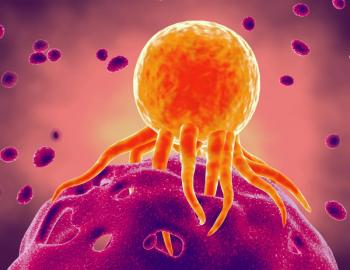
Maria Pia Morelli, MD, PhD, assistant professor, MD Anderson Cancer Center, discussed her work on the EVEREST-1 trial of logic-gated CAR T-cell therapy currently being evaluated in colorectal and pancreatic cancers.

Review top news and interview highlights from the week ending November 24, 2023, including coverage from AHA 2023.

The CardiAMP autologous cell therapy is being assessed for ischemic heart failure, with a new phase 3 trial that includes modified eligibility requirements and end points.

The new PDUFA date of lifileucel is set for Februrary 24, 2024.

Catch up on the latest news, breakthroughs, and announcements from biotechnology companies making advancements in cell and gene therapies.
The codirector of the MDA Clinic and professor of neurology at Johns Hopkins discussed the importance of continuing to fight for progress with older patients with SMA.

Among 10 patients evaluated compared to their baseline at 1 week after receiving their final dose in the trial, 30% of patients demonstrated clinical improvement on the ADCOMS.

After a negative AdComm meeting and withdrawing its BLA, the company seeks guidance on a phase 3 trial.
The postdoctoral research fellow at Cedars Sinai Medical Center discussed the future of RNA therapy in the context of research in systemic sclerosis he presented at AHA’s Scientific Sessions 2023.
The date for the AdComm and the new PDUFA date are yet to be announced.
The PDUFA date for Iovance’s lead TIL lifileucel for melanoma was recently pushed back to February 24, 2024.
The associate professor at MD Anderson Cancer Center discussed his future outlook and goals for the field of sarcoma.

Milind Desai, MD, MBA, the director of the Hypertrophic Cardiomyopathy Center and the vice chair of the Heart Vascular Thoracic Institute at the Cleveland Clinic, discussed the design of Tenaya Therapeutics’ clinical trial evaluating TN-201.

Eli Lilly’s small interfering RNA therapy showed significant serum reductions with a single dose while remaining well-tolerated. A larger phase 2 study is currently ongoing.

AskBio presented data from a phase 1/2 trial of AB-1002 gene therapy at the AHA Scientific Sessions 2023 meeting.
The director of the Mass General Brigham Gene and Cell Therapy Institute shared his main message for cardiologists at the American Heart Association’s Scientific Sessions 2023.
Review top news and interview highlights from the week ending November 17, 2023.

The CAR-T previously was cleared for separate trials in systemic lupus erythematosus, myositis, and systemic sclerosis.

The chairman, chief executive officer, and cofounder of Ocugen discussed the recent data update on the company’s OCU400 program in inherited retinal diseases.
The professor of medicine at University of California San Diego discussed promising preclinical findings she presented at the American Heart Association’s Scientific Sessions 2023.

CGTLive takes a look at MPSIII therapies in the pipeline for World Sanfilippo Awareness Day on November 16.
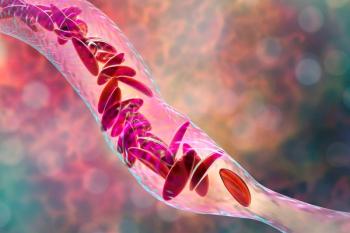
Vertex and CRISPR’s Exa-cel, which remains an investigational treatment in the United States, is the first CRISPR-based gene therapy to be approved in the UK, where it will be marketed as Casgevy.

The company most recently reported data from a trial in retinitis pigmentosa and Leber congenital amaurosis demonstrating OCU400’s gene-agnostic mechanism of action.
Catch up on the latest news, breakthroughs, and announcements from biotechnology companies making advancements in cell and gene therapies.