
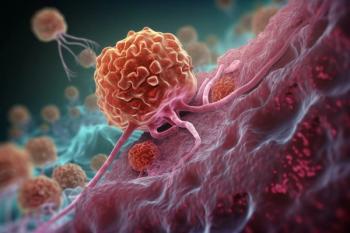
In September 2023, LEU011 was granted an Innovation Passport for the treatment of solid tumors expressing NKG2D ligands.
In September 2023, LEU011 was granted an Innovation Passport for the treatment of solid tumors expressing NKG2D ligands.

Deborah Phippard, PhD, the chief scientific officer of Precision for Medicine, discussed the unique aspects of clinical trials for gene therapies that need to be considered before initiation.
Review top news and interview highlights from the week ending October 6, 2023.
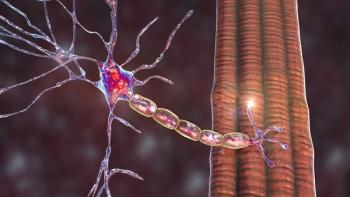
The AFFINITY trial is set to dose patients at dose level 2 by the end of 2023.

The patient received the trial’s low dose of TN-201 at the Cleveland Clinic's Hypertrophic Cardiomyopathy Center, in Cleveland, Ohio.

The move was carried out in accordance with a recommendation for dose-escalation made by the trial’s independent Data Safety Monitoring Committee.
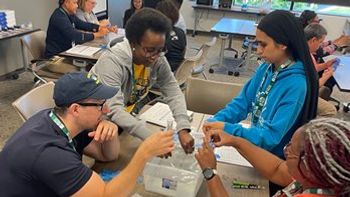
The first official participants of the expanded Biotech Discovery Labs program are eager to bring CGT experiments to their students.
The codirector of the MDA Clinic and professor of neurology at Johns Hopkins discussed the updated analyses of the NURTURE study that affected the big picture of the data.

The updated data are from the first 2 patients treated in the phase 1/2 GALILEO-1 trial of FLT201.

Catch up on the latest news, breakthroughs, and announcements from biotechnology companies making advancements in cell and gene therapies.
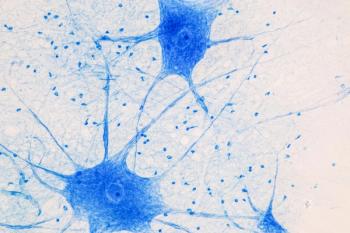
The company stated that based on the meeting, the trial’s primary end points will remain the same.
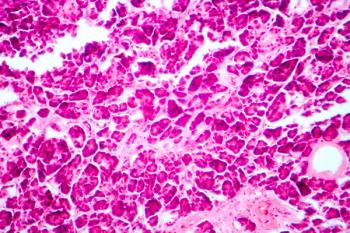
All patients showed improved glycemic control and a reduction in insulin independence.

The company also announced it has onboarded 15 transplant centers in the United States for the use of omidubicel, thus exceeding the goal it had set for itself for 2023.

Sponsors who hope to participate will be able to apply from January 2 to March 1, 2024.

The senior partner at Retina Vitreous Associates Medical Group discussed efficacy and safety data from the phase 2 AAVIATE trial.
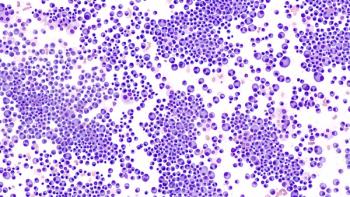
Notably, no patients experienced cases of immune effector cell-associated neurotoxicity syndrome.

The partnership between ASTCT, CIBMTR, and NMDP is a 2-day forum held October 2-3.
The therapy has a PDUFA date of March 31, 2024.

Both the second and first patient dosed in the study received the lower of the 2 doses of the gene therapy that Taysha Gene Therapies is evaluating in the phase 1/2 REVEAL trial.
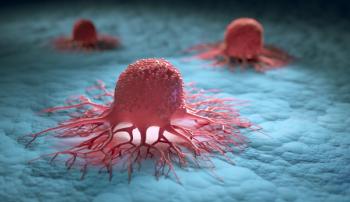
The new data are from the phase 1/2 MYCHELANGELO trial of OTX-2002, an mRNA OEC therapy, in patients with hepatocellular carcinoma and other MYC-expressing tumors.

The professor of medicine and pediatrics at Washington University in St. Louis discussed future challenges and exciting research in the sarcoma field.
In observance of Rare Cancer Day, held annually on September 30, catch up on the past few months’ news and expert insights related to cell therapies in development for these indications.
Review top news and interview highlights from the week ending September 29, 2023.
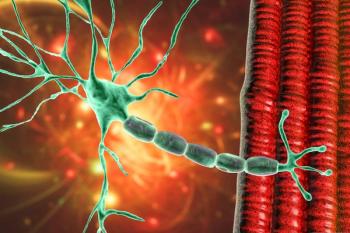
Unforeseen complications may arise when treating older patients with gene therapy.
Deborah Phippard, PhD, the chief scientific officer of Precision for Medicine, discussed the history and current state of gene therapy research for neurological indications.

Atamyo has received $8.6 million in nondilutive financing from France 2030 for ATA-200's development.
The adjunct clinical assistant professor, ophthalmology, Keck School of Medicine, University of Southern California discussed new data from the ALTITTUDE trial.
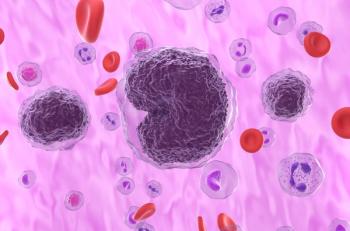
Around half of patients with R/R large B-cell lymphoma are considered ineligible for autologous stem cell transplant and are thus ineligible for the approved indication of Yescarta.

Committee members were overwhelmingly against the available data supporting NurOwn as an effective treatment for mild to moderate ALS, with 17 no votes, 1 yes vote, and 1 abstention.
Catch up on the latest news, breakthroughs, and announcements from biotechnology companies making advancements in cell and gene therapies.