














Axicabtagene ciloleucel elicited a high objective response rate of 85%, with a complete response rate of 74% when used as a first-line therapy in patients with high-risk large B-cell lymphoma.

Axicabtagene ciloleucel elicited a high objective response rate of 85%, with a complete response rate of 74% when used as a first-line therapy in patients with high-risk large B-cell lymphoma.
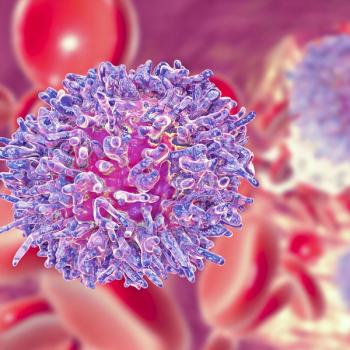
A risk-adapted CD19 CAR T-cell therapy dosing approach allowed pediatric patients with relapsed/refractory acute lymphocytic leukemia to maintain a high rate of remission, while reducing the risk of severe toxicities among those with a high initial disease burden

The lentiviral vector used to create LentiGlobin was deemed a very unlikely cause of AML in a patient with sickle cell disease.

The FDA has granted an RMAT designation to RP-L201 as a potential treatment for patients with leukocyte adhesion deficiency-I.

The FDA has granted an RMAT designation to valoctocogene roxaparvovec for hemophilia A.
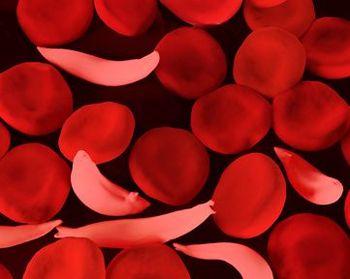
UniQure plans to file etranacogene dezaparvovec with the FDA for hemophilia B in March, pending a positive resolution to a clinical hold placed in December.

Rocket Pharmaceuticals has summarized multiple major milestones for its 5 gene therapies from 2020 and provided a forecast and outlook for what is expected to be a banner year for the organization.
Preliminary evidence pinpoints classical causes for AML in patient treated with LentiGlobin in a phase 1/2 study for sickle cell disease.

Novartis and the Bill & Melinda Gates Foundation have entered a new agreement to discover and develop a single-administration gene therapy to cure sickle cell disease in countries with limited healthcare infrastructure.
The suspension is due to recently reported diagnoses of AML and myelodysplastic syndrome in 2 treated patients.

February 15, 2021 - Betibeglogene autotemcel, a one-time gene therapy, enabled durable transfusion independence in most patients with transfusion-dependent β-thalassemia who were treated across 4 clinical studies.
Treatment with the first-generation precision cell therapy Orca-T led to a significant reduction in cases of graft-versus-host disease, an impressive GVHD relapse-free survival rate, a lack of treatment-related mortalities, while showcasing scalability potential.
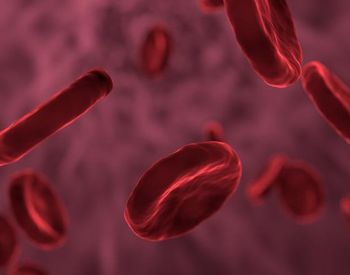
The HSPC therapy showed fetal hemoglobin production in transfusion-dependent patients in a matter of months—with sustained results over 1 year.
Treatment with the investigative gene cell therapy betibeglogene autotemcel led to durable transfusion independence in 87% of pediatric patients less than 18 years of age with transfusion-dependent beta-thalassemia with a median average hemoglobin of 11.3 g/dL.
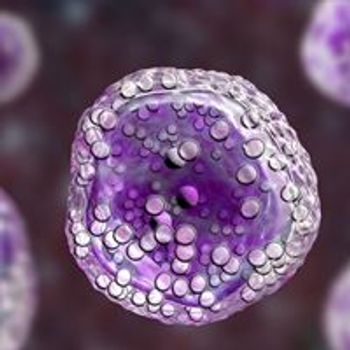
Responsiveness to treatment received immediately prior to CAR T-cell therapy may not be associated with post–CAR T outcomes in patients with relapsed/refractory diffuse large B-cell lymphoma who receive axicabtagene ciloleucel.
Patients with refractory large B-cell lymphoma have less to gain from axicabtagene ciloleucel if they have never achieved a complete response to any line of prior therapy.

Data from the ongoing HGB-206 study reports reduced hemolysis, increased total hemoglobin, and a complete resolution of vaso-occlusive crises among patients.

February 5, 2021 - Following stem cell transplant or treatment with CAR T-cell therapies, patients with hematologic malignancies and coronavirus disease 2019 tend to have favorable outcomes, especially if they are diagnosed in complete remission and further out from their cell infusion.
Two gene therapy techniques in separate, concurrently published trials demonstrate clinical success in mitigating monogenic hemoglobinopathies.

New one-year data makes history as the first to indicate the superiority of a one-injection gene therapy versus Factor VIII prophylaxis.

Gene-editing therapy in sickle cell disease and advances in multiple myeloma dominated hematology news in 2020.
The UCSF hematologist discusses the growing portfolio for the sickle cell therapy after ASH 2020.

The historic phase 3 HOPE-B trial shows all but 1 treated patient discontinued prophylaxis after a single dose of etranacogene deaparvovec.

The second process of ARU-1801 in a new patient resulted in up to 4 times greater engraftment of transduced hematopoietic stem cells and progenitors at 6 months.
What started out as a journey to better understand regulatory T cells has now led to an intriguing approach with an investigational cell therapy designed to prevent the risk of graft-versus-host disease and to improve relapse-free survival rates in patients undergoing hematopoietic stem cell transplantation.