










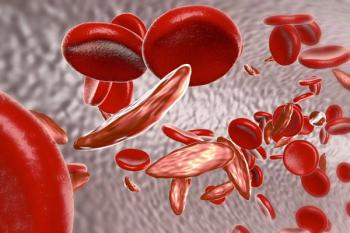
In adolescent patients with sickle cell disease, hydroxycarbamide therapy was associated with improvements in neurocognition variables such as working memory, verbal memory, and nonverbal IQ, according to study findings.

Ide-Cel Delivers Clinically Meaningful HRQoL Benefits in Triple-Class Exposed Relapsed/Refractory Myeloma

Odronextamab Is Active With Acceptable Benefit–Risk Profile in Relapsed/Refractory B-Cell Non-Hodgkin Lymphoma
In adolescent patients with sickle cell disease, hydroxycarbamide therapy was associated with improvements in neurocognition variables such as working memory, verbal memory, and nonverbal IQ, according to study findings.
The Institute for Clinical and Economic Review (ICER) published a draft evidence report on crizanlizumab (Adakveo), voxelotor (Oxbryta), and L-glutamine (Endari) for sickle cell disease, as well as a draft scoping document on valoctocogene roxaparvovec, an investigational gene therapy, and emicizumab (Helimbra) for hemophilia.
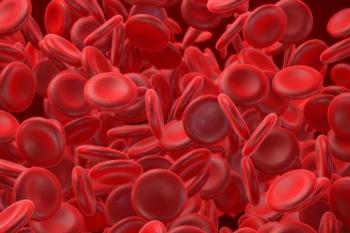
Adult patients with beta thalassemia will now have an FDA-approved treatment available with luspatercept-aamt (Reblozyl). The therapy treats the rare inherited blood disorder, which requires patients to have regular red blood cell transfusions.
The only thing that should matter in these patients is their genetic code, but often it’s your zip code that really restrains your ability to access the healthcare you deserve, explained Ahmar Zaidi, MD, pediatric hematologist-oncologist, Comprehensive Sickle Cell Center, Children's Hospital of Michigan, when discussing the possibility of a gene therapy for sickle cell.
Neil Minkoff, MD, chief medical officer and vice president, EmpiraMed, discusses his hopes if the first gene therapy for sickle cell disease is approved and if he has any concerns with payer reactions.
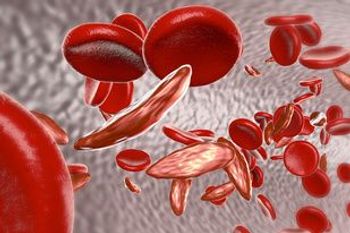
Voxelotor, a first-in-class oral therapy, is both safe and effective in sickle cell disease, according to a phase 1/2 randomized study assessing the drug. These findings were consistent across all doses, ranging from 500 to 1000 mg.

Gene therapy provides an opportunity for every patient to become not a patient, to become an individual, and you can’t put a cost on that, explained Sophie Schmitz, BA, MA, managing partner, Partners4Access.

Crizanlizumab is being developed to prevent painful and unpredictable vaso-occlusive crises in patients with sickle cell disease.
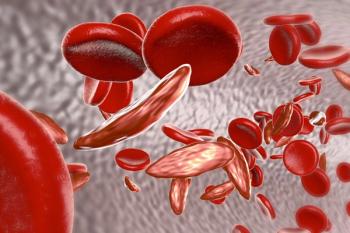
The therapy attempts to restore fetal hemoglobin production.
The first patient has been treated in a phase 2b dose-confirmation study of AMT-061, an investigational gene therapy for the treatment of patients with severe and moderately severe hemophilia B. Once the dosing of AMT-061 is confirmed, the safety and efficacy of the therapy will be evaluated in the global phase 3 HOPE-B clinical trial.

The US Food and Drug Administration (FDA) has accepted the Bioverativ's Investigational New Drug (IND) application for BIVV003, a gene-edited cell therapy candidate for the treatment of people with sickle cell disease.
The FDA gave a gene therapy for bleeding in hemophilia B breakthrough status.
Researchers discovered a clinically translatable gene therapy protocol, which is a gene delivery system that introduced the production of therapeutic clotting proteins in platelets, so that the inhibition of inactivating antibodies is avoided.
A gene therapy treatment for men with hemophilia B proved effective, and the researchers involved in the study estimate it saved $2.5 million for the trial's patients.
Scientists have successfully engineered platelet cells in dogs to express higher levels of factor VIII, paving the way for further tests in humans.