










Primary efficacy data released by Sangamo Therapeutics showed that above normal α-Gal A activity was maintained for up to a year after treatment.

Primary efficacy data released by Sangamo Therapeutics showed that above normal α-Gal A activity was maintained for up to a year after treatment.

The professor from National Taiwan University Hospital discussed the challenges of working with a rare disease.
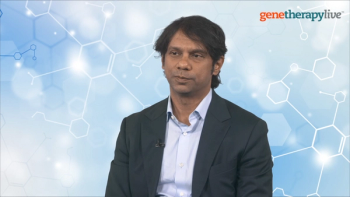
The chief executive officer of Rocket Pharmaceuticals, Gaurav Shah, MD, discussed the company’s lead programs and future plans.
Review top news and interview highlights from the week ending November 5, 2021.

4D Molecular Therapeutics announced positive data from trials assessing 2 of their gene therapies.
The professor from National Taiwan University Hospital discussed further research he would like to do with the gene therapy PTC-AADC.

Partners in the Bespoke Gene Therapy Consortium include the NIH, FDA, private companies such as Pfizer and Biogen, and non-profits.
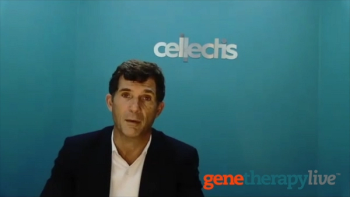
André Choulika, PhD, chief executive officer and cofounder, Cellectis, discussed the company’s expansion into gene therapies.
Review top news and interview highlights from the week ending October 29, 2021.
The professor from National Taiwan University Hospital discussed the mechanism of gene therapy in AADC deficiency.

VM202 was found to be particularly effective in treating neuroischemic ulcers.

bluebird bio is also planning to withdraw the marketing authorization for their β-thalassemia therapy, beti-cel, from the EU and UK.
Review top news and interview highlights from the week ending October 22, 2021.
The professor from National Taiwan University Hospital discussed 3 studies of PTC-AADC for AADC deficiency.
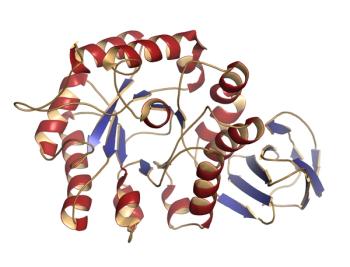
AVROBIO shared interim safety data from ongoing phase 1 and 2 trials.

Tofersen failed to meet its primary end point in change from baseline in ALSFRS-R but differences in total cerebrospinal fluid SOD1 protein and neurofilament light chain were observed.
The director of the Powell Gene Therapy Center at the University of Florida discussed improving access to gene therapies for patients with rare diseases worldwide.
Review top news and interview highlights from the week ending October 15, 2021.

New human gene editing therapies, drug discoveries, targets, and CRISPR technology holds the potential to usher in a new age in medicine.
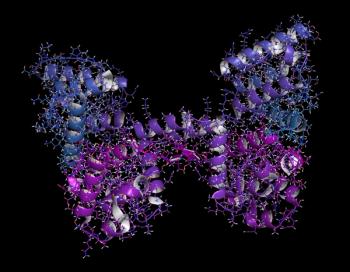
Sarepta Therapeutics has also initiated the pivotal phase 3 EMBARK study in pediatric patients with DMD.
The chair of the International Collaborative Gaucher Group Registry discussed challenges in Gaucher research.
Review top news and interview highlights from the week ending October 8, 2021.
The director of the Powell Gene Therapy Center at the University of Florida discussed adverse events in gene therapies.

Forge Biologics and Solid Biosciences have also partnered to help develop a gene therapy for Duchenne muscular dystrophy.
Paul Wotton, PhD, chief executive officer, Obsidian Therapeutics, discussed the company’s pipeline and technologies.