FDA granted accelerated approval to pariglasgene brecaparvovec-opnr, a one-time liver-directed AAV8 gene therapy, based on a 31% reduction in cornstarch intake versus placebo.

Matt Hoffman is the editorial director for NeurologyLive, Contagion, IJMSC, and CGTLive, as well as the Eye Care Network (Ophthalmology Times, Modern Retina, Ophthalmology Times Europe, and Optometry Times). He has covered medical news for MJH Life Sciences, the parent company, since 2017.
He executive produces the Optometry Times podcast, From Paper to Clinic, and previously hosted the Medical World News shows Deep Dive and Second Opinion.
You can follow him on X @byMattHoffman and on LinkedIn, or email him at mhoffman@mjhlifesciences.com.
FDA granted accelerated approval to pariglasgene brecaparvovec-opnr, a one-time liver-directed AAV8 gene therapy, based on a 31% reduction in cornstarch intake versus placebo.
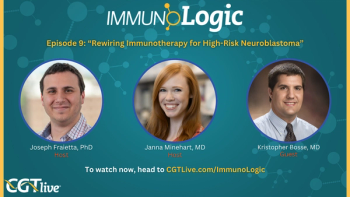
In episode 9 of ImmunoLogic, Kristopher Bosse, MD, and the cohosts discussed how immunotherapy is reshaping treatment for high-risk neuroblastoma.
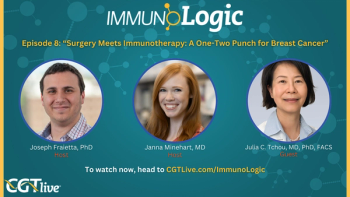
In episode 8 of ImmunoLogic, Julia C. Tchou, MD, PhD, and the cohosts discussed the potential of combining immunotherapy approaches and surgery in the treatment of breast cancer.
ACP says to stop calling doctors “providers”; in the modern age, the term blurs expertise and weakens trust in patient care.
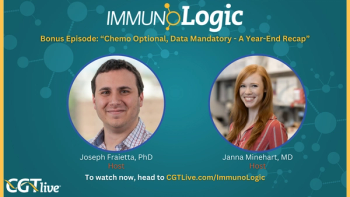
In this bonus episode of ImmunoLogic, the hosts discussed highlights from 2025, including some covered in previous episodes of the series.
Recapping some the FDA approvals and regulatory updates in cell and gene therapy that made waves in 2025.
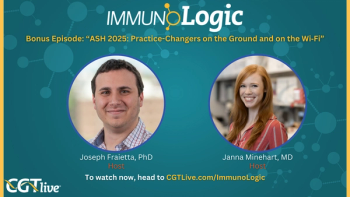
In this bonus episode of ImmunoLogic, the hosts discussed immunotherapy highlights from ASH's annual meeting.

The Fondazione Telethon agent, etuvetidigene autotemcel, significantly reduced severe infections and bleeding events in clinical studies.

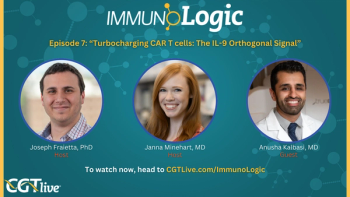
In episode 7 of ImmunoLogic, Anusha Kalbasi, MD, discussed his research on the use of IL-9 to enhance CAR-T efficacy.
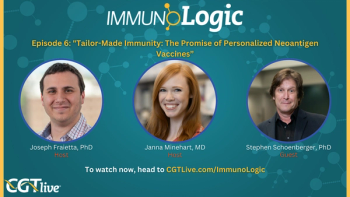
In episode 6 of ImmunoLogic, Stephen Schoenberger, PhD, discussed his research on customized cancer vaccines.

The rAAVrh8 gene therapy delivers HEXA and HEXB genes and has posted positive phase 1/2 results in infantile GM2 gangliosidosis, with enhancements in enzymatic activity and neurological outcomes.
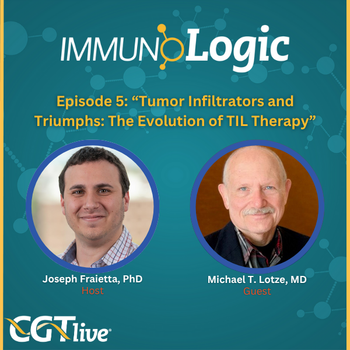
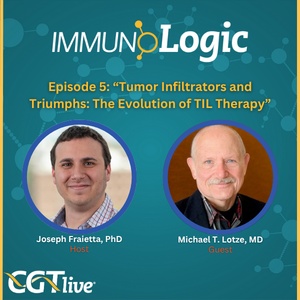
In episode 5 of ImmunoLogic, Michael T. Lotze, MD, discusses the evolution and future of tumor-infiltrating lymphocyte therapies.

The CAR T-cell therapy showed promise in treating advanced gastric cancer by demonstrating improved survival rates and safety in pivotal trial results.
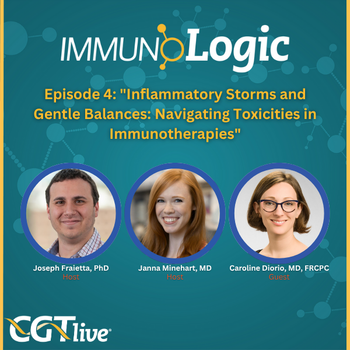
In Episode 4 of ImmunoLogic, Caroline Diorio, MD, FRCPC, FAAP, discussed her research on adverse events associated with cell therapy.
Emerging gene and cell therapies aim to slow Parkinson disease progression. Explore clinical updates on seven promising candidates in development.
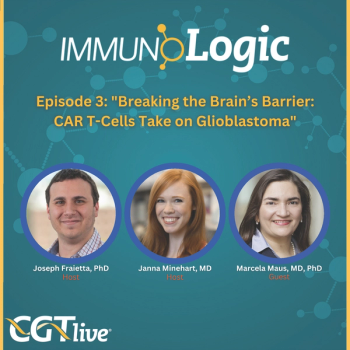
In Episode 3 of ImmunoLogic, Marcela Maus, MD, PhD, discussed her research on CAR-T for treating glioblastoma.
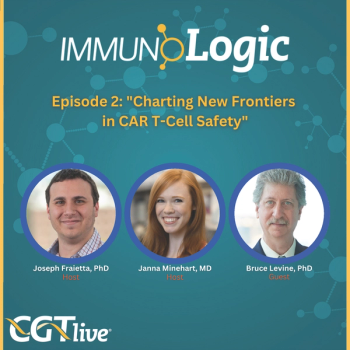
In Episode 2 of ImmunoLogic, Bruce Levine, PhD, discussed the current the risk-benefit-ratio for CAR-T therapy.
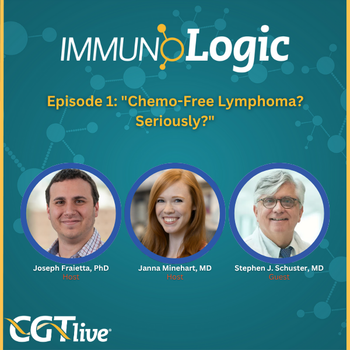
In Episode 1 of ImmunoLogic, Stephen J. Schuster, MD, discussed the potential of treating lymphoma without chemotherapy.
Hosted by Joseph Fraietta, PhD, ImmunoLogic will be tailored for an audience fluent in the language of medicine and biotechnology, offering data-driven insights while maintaining accessibility.

A long-term follow-up to the DREPAGREFFE-1 trial suggest that children with sickle cell anemia may benefit long-term on risk of cerebral injury, cognitive functions, and quality of life over standard care transfusions.

Among those who had undetectable minimal residual disease, autologous hematopoietic cell transplantation showed signs of benefit only for those who remained MRD-positive following induction therapy.

Allo-HSCT showed good 2-year survival data, with matched sibling donors showing superior outcomes to alternative donors.

Sana Biotechnology’s SC291 chimeric antigen receptor T-cell therapy is being developed to treat relapsed/refractory systemic lupus erythematosus, including extrarenal lupus and lupus nephritis.

The Rocket Pharmaceuticals AAV9 treatment was assessed in a 3-cohort trial of 7 patients, showing good safety and encouraging efficacy signals.
Approved as Skysona, the therapy has been reported to be related to cases of hematologic malignancies, including life-threatening instances of myelodysplastic syndrome and acute myeloid leukemia.
The CAR-T therapy was approved based on the pivotal phase 1b/2 FELIX clinical trial (NCT04404660), which showed good rates of overall complete remission and median duration of remission.

Intellia’s investigational CRISPR-Cas9 gene-editing therapy NTLA-2002 reduced monthly attacks by more than 70% in both tested dose arms.

Patients with melanoma treated with ACTengine IMA203 achieved high response rates, with progression-free survival of 6 months and duration of response beyond 1 year.

Among more than 100 patients with hemophilia A, no FVIII-specific responses showed associations with the assessed safety or efficacy parameters.