
The vice president of neuroscience at Sangamo Therapeutics discussed identifying novel capsids with improved neuronal transduction to the CNS.
The vice president of neuroscience at Sangamo Therapeutics discussed identifying novel capsids with improved neuronal transduction to the CNS.
The chief scientific officer of Sangamo Therapeutics discussed the first-in-human STEADFAST trial.

All study participants met criteria to remain off enzyme replacement therapy through 104 weeks after treatment.
The director of the Liver Tumor Program at Texas Children’s Hospital discussed a phase 1 study of CAR NK T-cells in neuroblastoma.
The cell therapy was tolerated although there was a SUSAR of GGT elevations.
The senior investigator from NINDS discussed findings investigating serious AEs across different trials.
The clinical professor of pediatrics at Stanford Medicine discussed positive interim findings from a phase 1 study of RP-L301.
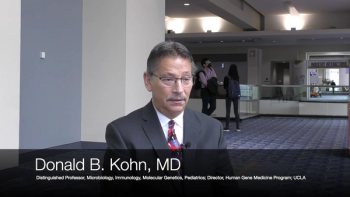
In an interview with CGTLive, study primary investigator Donald Kohn, MD, discussed the safety and efficacy observed in the phase 2 trial.
Review top news and interview highlights from the week ending May 20, 2022.
The director of the leukodystrophy service at Mass Gen discussed progress dosing in the phase 1/2 trial.

Motor and pulmonary function have stabilized or improved in participants treated with SGT-001.
Findings from a preclinical study, which are in contrast with the current biphasic recovery model, have implications for both HSC transplantation and gene therapy.
The assistant professor of oncology at UNC School of Medicine discussed the first-in-human study being conducted with CT-0508.

Investigators from Seattle Children’s Hospital found that engineered T-cell regulatory products demonstrated significant suppression of effector T cells.
The director of the leukodystrophy service at Mass Gen discussed the phase 1/2 study of AXO-AAV-GM2.
The trial met its primary efficacy end point, and participants reported improvements in quality-of-life factors such as outlook on the future and feelings about having hemophilia.
The interim study results presented at ASGCT 2022 likely represent the longest follow-up data to date for the largest cohort of infants with XSCID treated with lentiviral vector gene therapy.
Safety and efficacy data suggest this to be a feasible and clinically meaningful treatment for a patient population with high disease burden.
Catch up on the latest news and announcements in cell and gene therapies presented at the annual ASGCT meeting.
Multiple insertions were observed in affected participants, including insertions in the MECOM and PRDM16 genes.
One patient with metastatic pancreatic cancer remains alive on maintenance chemotherapy 3 years after treatment.
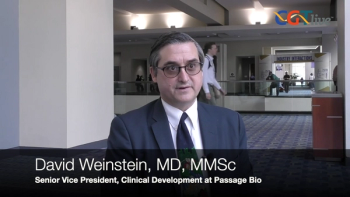
Data from 2 patients dosed in the Imagine-1 clinical trial were presented in a late breaking session at ASGCT 2022.
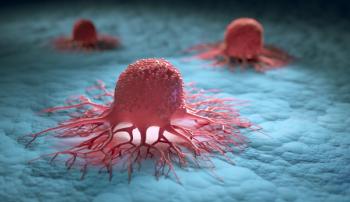
Investigators are evaluating the safety, tolerability and preliminary efficacy of CT-0508 in patients with solid tumors and HER2 overexpression.

Investigators found a dose-dependent increase in CAART cell persistence.

Trial sponsors Pfizer, Sarepta, Genethon, and Solid Biosciences organized a group of experts to investigate shared serious AEs.

Investigators in Ukraine share data on the safety and efficacy of autologous mesenchymal stem cell administration for type 2 diabetes complications under the hypothesis that success is dependent on the administration route and quality of the autologous MSC population.
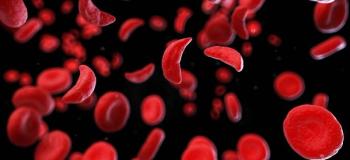
In a late-breaking presentation at ASGCT 2022, investigators shared preclinical results of a gene-editing strategy that seeks to reactivate developmentally silenced fetal hemoglobin (HbF, α2γ2) in order to replace defective sickle hemoglobin (HbS, α2βS2).

Study sponsor Pfizer recently announced the launch of a phase 3 trial in patients with Duchenne muscular dystrophy.
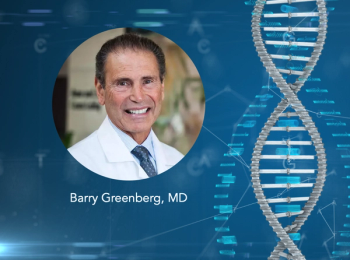
Principal investigator Barry Greenberg, MD, FHFSA, shares extended results from the phase 1 trial and also preliminary pediatric safety results in a presentation at ASGCT 2022.

The 3 patients in cohort 1 have exhibited clinically meaningful improvements and no safety concerns. Follow-up for the 5 patients in cohort 2 is ongoing.