

ACGT recently awarded a half-million dollar grant to brain cancer researcher Juan Fueyo, MD, who is developing an oncolytic virus therapy to treat the brain cancer glioblastoma.
ACGT recently awarded a half-million dollar grant to brain cancer researcher Juan Fueyo, MD, who is developing an oncolytic virus therapy to treat the brain cancer glioblastoma.

September is Childhood Cancer Awareness Month, serving as a chance to assess what progress has been made in advancing cell and gene therapy research for children with cancer.

Phase 1/2 trials have been cleared in Germany and dosed first patients in the US.

Review top news and interview highlights from the week ending September 1, 2023.

In a small sample of patients, the CRISPR–Cas9–edited CD34+ hematopoietic stem- and progenitor-cell therapy showed expected safety while inducing red cell fetal hemoglobin.
Acclaim-1, Acclaim-2, and Acclaim-3 will evaluate Reqorsa in combination with osimertinib, pembrolizumab, and atezolizumab, respectively.
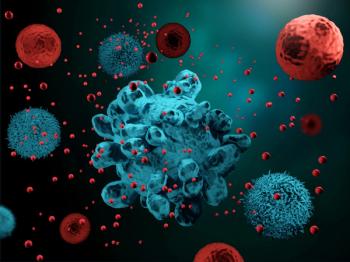
In recent data from the phase 3 VITAL trial, EB-101 decreased pain and improved wound healing.

It was the first time the Eye Center treated a patient with a gene therapy.
Data from a multiple-ascending dose study suggest the investigational agent developed by Design Therapeutics was generally well tolerated with dose-related increases in frataxin levels.
Catch up on the latest news, breakthroughs, and announcements from biotechnology companies making advancements in cell and gene therapies.

Adrian Kilcoyne, MD, MPH, MBA, the chief medical officer of Celularity, discussed what the company learned from relitigating results of legacy trials for a mesenchymal stem cell therapy in Crohn disease.

TSHA-102 has previously received orphan drug and rare pediatric disease designations from the agency and is being investigated in the REVEAL phase 1/2 trial (NCT05606614).

ATSN-201 utilizes Atsena’s novel spreading capsid AAV.SPR, which is expected to spread laterally and allow transduction of the gene therapy in the central retina.

In a small study, administration of the Généthon therapy encoding UGT1A1 resulted in no serious adverse events. It is also being evaluated in a larger pivotal trial.

The FDA’s decision was based on data from the randomized, open-label phase 3 COMMANDS clinical trial.

In light of the promising results, BlueRock is preparing for a phase 2 trial.
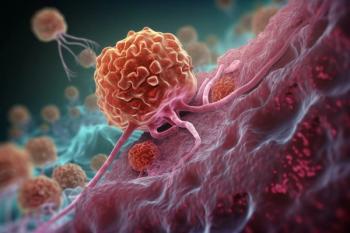
NKGen Biotech’s trial for SNK02 was initiated following the clearance of an investigational new drug application by the FDA in October 2022.
The founder, chairman, and CEO of Celularity shared his view on the concept of “chimeric vigor” and the potential benefits arising from it in the cell therapy field.
Adrian Kilcoyne, MD, MPH, MBA, the chief medical officer of Celularity, discussed a new analysis of gene and protein signatures from patients treated in the company’s legacy clinical trials.
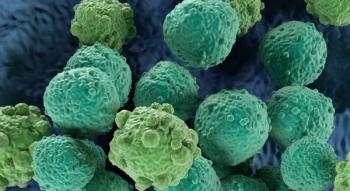
The company also recently entered into a collaboration with Roche and was invested in by Astellas.
Review top news and interview highlights from the week ending August 25, 2023.
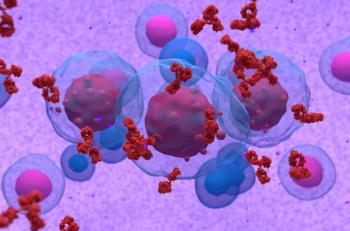
Because of the lack of neurotoxicity seen in patients treated thus far, Nexcella believes NXC-201 may have potential to serve as an outpatient treatment.

The interventional cardiologist and professor, Duke University School of Medicine, discussed how XC001 could improve outcomes for patients with refractory angina.
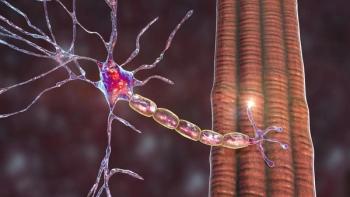
Pending approval, ARO-DUX4 will be evaluated in patients with facioscapulohumeral muscular dystrophy and ARO-SOD1 will be evaluated in patients with amyotrophic lateral sclerosis.
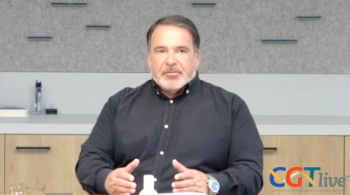
The founder, chairman, and CEO of Celularity shared his view on the importance of cord blood-derived cells for the medical and clinical community.

The single-arm, open-label clinical trial will seek to enroll approximately 18 patients aged 18 to 75 years.
Catch up on the latest news, breakthroughs, and announcements from biotechnology companies making advancements in cell and gene therapies.
Initial data from the combination substudy are expected in the second half of 2023.
Participants treated both unilaterally or bilaterally reported clinically meaningful improvements on GRCQ and XQ scale scores.
The founder, chairman, and CEO of Celularity discussed the advantages of cells derived from umbilical cord blood versus other sources of cells for cell therapies.