

Earlier this year Bloomsbury Genetic Therapies met with the UK’s MHRA for a scientific advice meeting to discuss BGT-NPC.
Earlier this year Bloomsbury Genetic Therapies met with the UK’s MHRA for a scientific advice meeting to discuss BGT-NPC.

The company announced that it had completed dosing in the first cohort of the GALILEO-1 trial of FLT201.
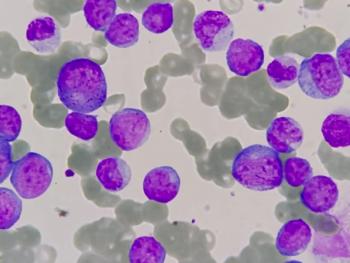
The company also reported that WU-NK-101 has received orphan drug designation for treating acute myeloid leukemia from the FDA.
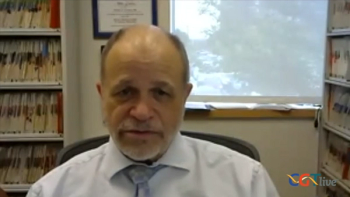
The codirector of the MDA Clinic and professor of neurology at Johns Hopkins discussed the importance of connecting infants with spinal muscular atrophy to a therapy as soon as possible.
BGT-OTCD is being developed in a collaboration between Bloomsbury Genetic Therapies and University College London.
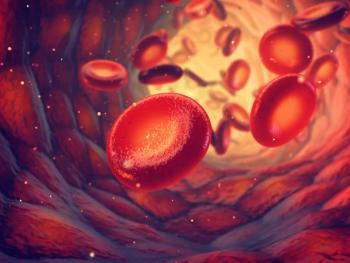
Surveyed clinicians and nurses from Rady Children's Hospital San Diego identified important factors and considerations needed in a potential SMD tool.

AlloNK will be evaluated as part of a combination therapy with anti-CD20 monoclonal antibody rituximab.
Review top news and interview highlights from the week ending August 18, 2023.
The professor of neurosurgery at Rush University Medical School discussed follow-up in the phase 1/2 trial of LCTOPC1 and further research to be done.
NGN-101 will be delivered to each participant via both intracerebroventricular and intravitreal routes on the same day in the phase 1/2 trial, with the therapy assessed for safety and efficacy.
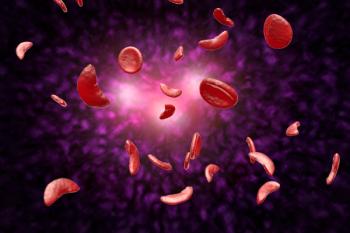
Bluebird's gene-edited cell therapy has a PDUFA date of December 20, 2023.
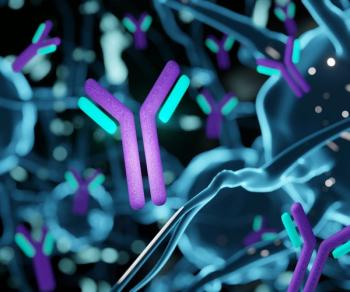
IMPT-514 uses the same CAR-T construct as ImmPACT Bio’s IMPT-314, which is already under clinical evaluation for non-Hodgkin lymphoma.
The senior partner at Retina Vitreous Associates Medical Group discussed new findings from the AAVIATE study of RGX-314.

Catch up on the latest news, breakthroughs, and announcements from biotechnology companies making advancements in cell and gene therapies.
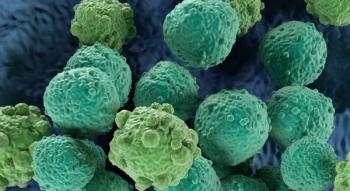
Mustang reported new data and responses from a multicenter phase 1 trial evaluating its CAR T-cell therapy in patients with NHL, FL, and WM.

The new orphan drug designation follows a recently received fast track designation for Reqorsa in combination with Tecentriq for an extensive-stage small cell lung cancer indication.
The pediatric gastroenterologist and professor in residence at University of California at San Francisco discussed challenges with clinical trials in neurocognitive diseases including MPS2.
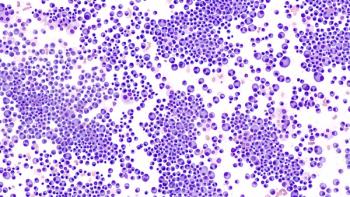
The partial clinical hold was originally placed in June 2023 in relation to the death of a patient participating in the trial.
A presentation at EHA 2023 showed important safety and efficacy data with CD22 CAR T cells in heavily pretreated patients with large B-cell lymphoma and pointed to how this may shed light on sequencing in this field.
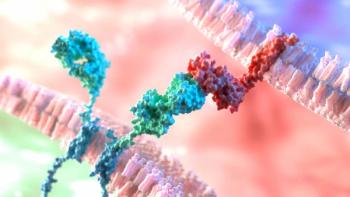
The formal hold comes approximately 2 months after Seattle Children’s paused the trial in accordance with the clinical study protocol stopping rules.

In terms of safety, Taysha stated that TSHA-102 was well-tolerated and that at 6 weeks after dosing no treatment-emergent serious adverse events had occurred.

Kyle Garland, PhD, a senior scientist at Eterna Therapeutics, discussed the company’s preclinical work with partner Factor Bioscience that was presented at ASGCT’s 2023 conference.

Aspen Neuroscience noted that the study will be the US’s first multicenter phase 1/2a clinical trial for an autologous iPSC-derived therapy.
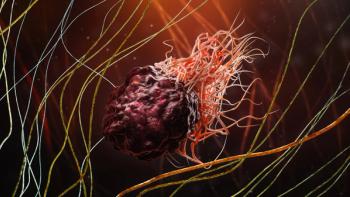
Both Adaptimmune and Replay have placed their bets on targeting cancer testis antigens for synovial sarcoma and myxoid/round cell liposarcoma cell therapy.
Review top news and interview highlights from the week ending August 11, 2023.

The assistant member in the Department of Head and Neck-Endocrine Oncology at Moffitt Cancer Center spoke about A2B530's mechanism of action and how it could represent a leap forward in the application of CAR T-cell agents for patients with solid tumors.
The chief medical officer of Cellularity discussed the big picture implications of a new analysis of patient samples from legacy studies evaluating MLASC therapy in Crohn disease.
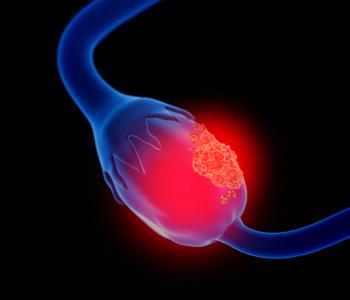
The first participant was dosed with LBL-033 in April 2023 in Nanjing Lead Biolabs's ongoing trial in China.

The professor of medicine and pediatrics at Washington University in St. Louis discussed the current investigative landscape for cell therapy in treating sarcomas.
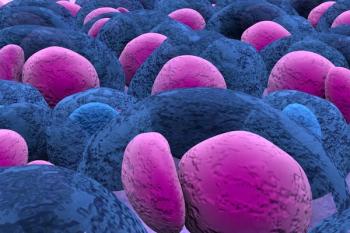
KMA.CAR-T is directed at Kappa Myeloma Antigen, a receptor exclusively appearing on myeloma cells in kappa-type MM.