
A 2-year evaluation of a small cohort of patients with systemic lupus erythematosus, idiopathic inflammatory myositis, and systemic sclerosis showed safety and efficacy which were supportive of additional clinical trials.
A 2-year evaluation of a small cohort of patients with systemic lupus erythematosus, idiopathic inflammatory myositis, and systemic sclerosis showed safety and efficacy which were supportive of additional clinical trials.
The head of the early neurodevelopment clinic at Monash Children's Hospital discussed clinical trials in the field of neonatal cell therapy.
Judy Lieberman, MD, PhD, the endowed chair in cellular and molecular medicine at Boston Children’s Hospital, discussed her research on siRNA technology.
The transplant physician at St. David's South Austin Medical Center of the Sarah Cannon Transplant and Cell Therapy Network discussed a real-world study comparing bendamustine against fludarabine and cyclophosphamide.
Catch up on the latest news, breakthroughs, and announcements from biotechnology companies making advancements in cell and gene therapies.

Notably, the combination therapy, referred to as SYNCAR-001 + STK-009, will be administered in the trial without the use of lymphodepletion.
In the phase 3 EMBARK trial, treatment with SRP-9001 improved secondary outcomes of time to rise, microdystrophin expression, and 10-meter walk/run.

Bruce Cree, MD, PhD, MAS, a professor of neurology and the clinical research director of the University of California San Francisco (UCSF) Multiple Sclerosis Center discussed the importance of further research into the root cause of MS and other autoimmune diseases.
The company noted that it plans to submit the BLA in the second quarter of 2024.
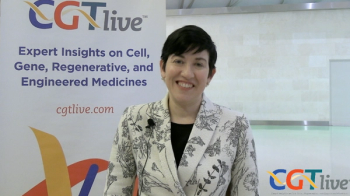
The associate professor of pediatrics at Emory University also discussed the need to empower patients and families to make their own treatment decisions.
In March 2024, the FDA approved the CAR T-cell therapy lisocabtagene maraleucel (Breyanzi) as a treatment for relapsed or resistant chronic lymphocytic leukemia (CLL) and small lymphocytic lymphoma (SLL).
Avidity is currently enrolling in the phase 3 HARBOR trial, which it expects to initiate in the second quarter of 2024.

The director of the Mount Sinai Fuster Heart Hospital shared his optimism on data seen so far with VERVE-101.
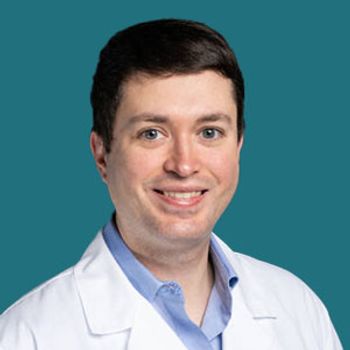
John Ligon, MD, an assistant professor in the department of pediatrics at the University of Florida College of Medicine, discussed his view of the main priorities for research in this area.

The associate professor of medicine, Medical College of Wisconsin, discussed advantages of afami-cel and data from the pivotal SPEARHEAD-1 trial.

The McCaw Endowed Chair of Muscular Dystrophy at University of Washington discussed emphasized topics at this year's ASGCT meeting.
Review top news and interview highlights from the week ending March 22, 2024.

Bemdaneprocel remained well-tolerated and no major safety issues had occurred in the treated patients.
The director of Cell Therapy and Transplant at Penn Medicine discussed important considerations with administering CAR-T in a new field.
The endowed chair in cellular and molecular medicine at Boston Children’s Hospital discussed the rapid advancements in RNA-based treatments in the past 2 decades and potential advancements that remain on the horizon.
Bruce Cree, MD, PhD, MAS, a professor of neurology and the clinical research director of the University of California San Francisco (UCSF) Multiple Sclerosis Center discussed considerations for evaluating CAR-T in patients most likely to obtain meaningful benefit.

The chief of cardiology at Weill Cornell Medical College discussed gene therapy research into Friedreich ataxia and more.
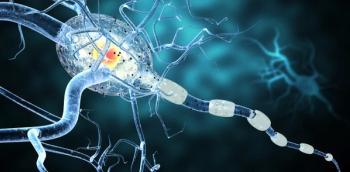
Data from the OLE of a phase 2 clinical trial at Hadassah Medical Center were presented at the 2024 ACTRIMS meeting.
The professor from Cedars Sinai discussed how the cell therapy stands to revolutionize the treatment landscape.
Catch up on the latest news, breakthroughs, and announcements from biotechnology companies making advancements in cell and gene therapies.
Updated data from the RESPOND study evaluating Spinraza in patients with SMA after onasemnogene abeparvovec were presented.
The head of the early neurodevelopment clinic at Monash Children's Hospital discussed preclinical work in the context of neonatal cell therapy research.

Many surveyed participants were content with current treatments or wary of gene therapy’s adverse events and durability.
John Ligon, MD, an assistant professor in the department of pediatrics at the University of Florida College of Medicine, discussed his team’s early findings on CAR-T and fertility from CIBMTR centers.

The associate professor of clinical pediatrics at Cincinnati Children's discussed the latest data from the phase 1/2 STAAR study of isaralgagene civaparvovec.