
Phase 3 Trial Seeks to Continue Supporting Arsa-Cel Gene Therapy for MLD
Published: | Updated:
The gene-edited cell therapy has been approved as Lenmeldy by the FDA.
The gene-edited cell therapy has been approved as Lenmeldy by the FDA.

Arsa-cel, approved under the name Lenmeldy, is set to be priced at $4.25 million.

At the 2-month follow-up PET/CT scan, the patient showed a 6.6% reduction in tumor size.

The chief scientific officer of CureDuchenne discussed challenges to tackle in the field.

Bruce Cree, MD, PhD, MAS, a professor of neurology and the clinical research director of the University of California San Francisco (UCSF) Multiple Sclerosis Center discussed the potential impact of CAR-T therapy on the lives of patients with autoimmune disease.

Sandra P. Reyna, MD, the chief scientific advisor and head of global medical engagement for SMA at Novartis, discussed data from the phase 3b SMART clinical trial (NCT04851873) that were presented at MDA's 2024 conference.
In February 2024, the FDA approved a tumor-infiltrating lymphocyte therapy called lifileucel for people with advanced melanoma.
Cita-cel, approved as Carvykti, is currently under review for an indication expansion as an earlier line of therapy, which the FDA will decide on by April 5, 2024.

Review top news and interview highlights from the week ending March 15, 2024.
Breyanzi was approved for the expanded indication under the accelerated approval pathway.
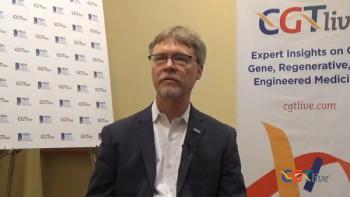
The director of the Manton Center for Orphan Disease Research at Boston Children’s Hospital discussed takeaways from a session on rare disease gene therapy at MDA.

bluebird bio stated that it is working on additional agreements with more than 15 more Medicaid agencies.

Investigators found AGTC-501 to have a favorable benefit-risk profile.
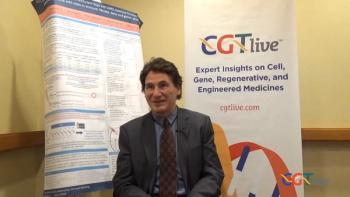
The lead scientist at Percheron Therapeutics discussed the design of the study assessing proteomics of ATL1102.
Bruce Cree, MD, PhD, MAS, a professor of neurology and the clinical research director of the University of California San Francisco (UCSF) Multiple Sclerosis Center discussed the need for randomized-control trials for CAR-T in lupus and other autoimmune diseases.

Catch up on the latest news, breakthroughs, and announcements from biotechnology companies making advancements in cell and gene therapies.
Verve Therapeutics plans to expand evaluations into the US after an IND clearance was delayed by a clinical hold.

The Assistant Professor of Medicine at Weill Cornell Medical College discussed Orca-T cell therapy and next steps assessing it.
According to Federal Register notices, the guidance documents are updated versions of drafts originally published in March 2022.
The McCaw Endowed Chair of Muscular Dystrophy at University of Washington discussed his research career with muscular dystrophies.

The company has received clearance from the FDA for a phase 1 clinical trial for its allogeneic CAR-T in patients with lupus nephritis.

The positive DSMB recommendation came after no participants were found to experience any serious adverse events from the therapy.

The assistant professor in the department of pediatrics at the University of Florida College of Medicine discussed also discussed the latest results announced from the phase 2 portion of the PRISM study.
The committee is set to discuss idecabtagene vicleucel’s sBLA on March 15, 2024.
The assistant professor in the department of pediatrics at the University of Florida College of Medicine discussed also discussed the need to set standard guidelines regarding potential fertility issues for CAR-T treatment.
Bruce Cree, MD, PhD, MAS, a professor of neurology and the clinical research director of the University of California San Francisco (UCSF) Multiple Sclerosis Center discussed the hypothesis behind research on the use of CAR-T for multiple sclerosis.
The professor of microbiology, immunology, and molecular genetics at UCLA discussed how a better understanding of treatment impact on a cellular level could help improve future gene therapy approaches.
Welcome to CGTLive®’s Weekly Rewind! We’ve compiled 5 highlights from this week’s coverage of advances in gene and cell therapies, including FDA actions, notable research, and interviews with experts across the field.
The deputy director, Division of Rare Diseases Research Innovation, NCATS, NIH, discussed initiatives including the BGTC and the platform vector gene therapy project.

Peter A. Merkel, MD, MPH, the chief of the Division of Rheumatology and a professor of medicine and professor of epidemiology at Penn Medicine, discussed the significant challenges in this field, but also expressed optimism for the future.