





















Investigators are evaluating the safety and tolerability of an optogenetic treatment combining a gene therapy and a medical device.
Investigators are evaluating the safety and tolerability of an optogenetic treatment combining a gene therapy and a medical device.

Results of a phase 1 study examining a potential gene therapy for x-linked retinitis pigmentosa showcased improvements in microperimetry and a favorable safety profile.

Treatment with subretinal transplantation of allogeneic human retinal progenitor cells showed promising early signs of efficacy as a treatment for individuals with retinitis pigmentosa.

AAV2/5-OPTIRPE65 showed improvements in vision-guided mobility, retinal sensitivity, and foveal-driven visual function for patients with RPE65-associated retinal dystrophy.

Data from a phase 1/2a study show RGX-314, a gene therapy from RegenX, was well tolerated and improved visual acuity in patients.

Results of the phase 1 OPTIC trial reveal ADVM-022 was effective at maintaining visual acuity in patients with wet AMD with a favorable safety profile.

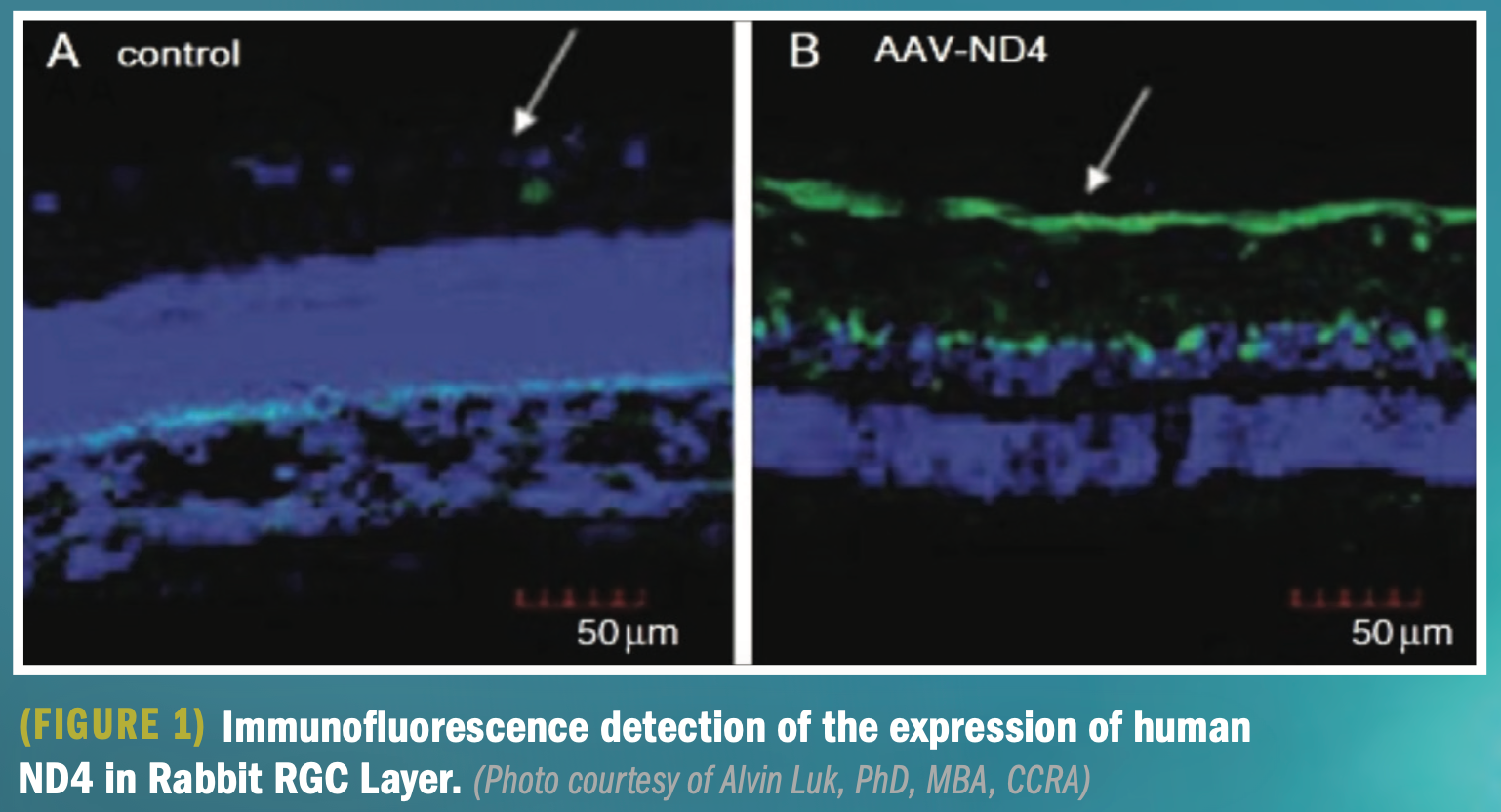
Phase III studies of a gene therapy for Leber Hereditary Optic Neuropathy have generated some unexpected positive findings. There is biologic plausibility to explain the data.
FDA trial approval would make this trial the first ever to test a stem cell-based therapy derived from induced pluripotent stem cells for treating any disease.

University of Pennsylvania investigators conducted an interim analysis of a year-long study on intraocular injections of a mutation-specific gene therapy when one patient showed dramatic early improvements.

After a single dose of RGX gene therapy, the mean change in BCVA was +8 letters in cohort 3 and the average number of injections over the course of 6 months was 1.3 in a phase 1 cohort study.

In an effort to reprogram retina cell regeneration, investigators activated dormant stem cells then aided other stem cells in developing into rod photoreceptor cells—the most abundant cell type in the retina which first aid the retina in sensing light.

The REGENXBIO drug's promising phase 1 results has led to the addition of a fourth patient dosing cohort and a phase 2 trial initiation.

How the three-year results of a gene therapy for inherited retinal disease may redefine its potential in ophthalmology.
A three-year update of VN for patients with biallelic RPE65 mutation-associated inherited retinal disease improved on the common standard-of-care for retina disease.

Though cell therapies have gained FDA approval to treat any ocular disease, companies have marketed predominately to patients with AMD, with procedures that could lead to blindness.

A fully automated artificial intelligence-based system could effectively classify function and potency of cell therapy.

A novel subretinal implantation of a stem cell-based bioengineered patch may restore vision or prevent further vision loss.

This week on MDNN: America trends toward healthier outcomes, the first-ever gene therapy procedure was performed, and President Donald Trump declared his stance on opioid traffickers.

This is the first and only FDA-approved gene therapy for treatment for an inherited disease.

The market price for gene therapy greatly exceed the costs of the gene editing development and the equipment required for the task.
The fall of 2017 brought the approval of new gene therapies, and could usher in a new area of personalized medicine.

Spark Therapeutics CEO Jeff Marrazzo reassured patients and the medical community he has an obligation to ensure access to the novel gene therapy.

This is the first gene therapy approved in the US targeting mutations in a specific gene.
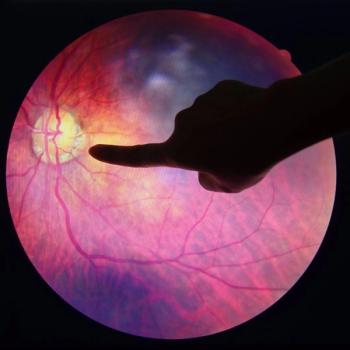
The retinal injection therapy could be capable of replacing damaged cells integral to eye vision.
Luxturna, an injection therapy, helped genetic vision-loss patients navigate mazes in a phase 3 trial.